Skip to content

Post-16 Options including college and university

All children and young people have the right to full-time education up to the age of 16. After that, you must do one of the following until you’re at least 18:​​

  • Stay in full-time education, for example at a college or sixth form. To study vocational, technical or academic subjects.​
  • Access a Supported Internship, an education programme where you spend lots of time in the workplace​
  • Start an apprenticeship, where you start a job but continue to learn alongside. ​​
  • Spend 20 hours or more a week working or volunteering, while in part-time education or training.​​

Many young people with special educational needs and disabilities (SEND) benefit enormously from these last few years, whether they stay on at school, move to a college of further education or sixth form college, or start an apprenticeship or training program.​ ​

It can be scary to leave a school you are familiar with and to leave adults and peers that you know well to go onto something else but our 'Moving on after school' page can help you find your way.

If you have an Education, Health and Care Plan (EHCP), then the Annual Review in Y10 will be the Phase Transfer Annual Review. This just means it is the Annual Review where your move on to your next step after school will be discussed. 


Following the Phase Transfer Annual Review meeting in Y10, your EHCP will be amended to name a college by the 31st March in the year of transfer (Y11).

This deadline is set out in Regulation 18 of The Special Educational Needs and Disability Regulations 2014.

It can be scary to leave a school you are familiar with and to leave adults and peers that you know well to go onto something else but our 'Moving on after school' page can help you find your way.

If you have an Education, Health and Care Plan (EHCP), then the Annual Review in Y10 will be the Phase Transfer Annual Review. This just means it is the Annual Review where your move on to your next step after school will be discussed. 


Following the Phase Transfer Annual Review meeting in Y10, your EHCP will be amended to name a college by the 31st March in the year of transfer (Y11).

This deadline is set out in Regulation 18 of The Special Educational Needs and Disability Regulations 2014.

Hampshire Futures' have created an interactive guide for young people to help them choose what comes next after school.

Hampshire Futures also have a range of videos exploring career options which are designed to help young people choose a career path. View the videos and get careers advice for lots of different job roles.

The Southern Universities Network also has some helpful guides and videos to aid young people in making a decision about what they would like to study and what type of course might be right for them.

In addition to this Sense, Contact and Disability Rights UK all have helpful guides to post 16 options for young people with a disability.

Whoever you are and whatever you're interested in for a future career, there will be an option that is right for you.

Hampshire Futures' have created an interactive guide for young people to help them choose what comes next after school.

Hampshire Futures also have a range of videos exploring career options which are designed to help young people choose a career path. View the videos and get careers advice for lots of different job roles.

The Southern Universities Network also has some helpful guides and videos to aid young people in making a decision about what they would like to study and what type of course might be right for them.

In addition to this Sense, Contact and Disability Rights UK all have helpful guides to post 16 options for young people with a disability.

Whoever you are and whatever you're interested in for a future career, there will be an option that is right for you.


Some schools have a sixth form which means you can continue learning their until you are 18. You may decide to stay at your school's sixth form if they have one, or you may prefer to move on to a college. 


Some schools have a sixth form which means you can continue learning their until you are 18. You may decide to stay at your school's sixth form if they have one, or you may prefer to move on to a college. 


Colleges are often less formal than schools. You are often allowed to call your teacher by their first name for example. You can choose from a range of subjects to study there and they often offer vocational courses as well. To learn more, please take a look at our Education and Training web page.

Colleges are often less formal than schools. You are often allowed to call your teacher by their first name for example. You can choose from a range of subjects to study there and they often offer vocational courses as well. To learn more, please take a look at our Education and Training web page.

A-Levels

You can do A levels at college or sixth form. You can do these after your GCSEs. The subjects are like GCSEs but there are a lot more to choose from.

More information about A Levels

T-Levels

You can do T levels at college or sixth form. You can do these after your GCSEs. If you know what industry (the type of job) you want to work in, T levels can help you learn the skills you need.

More information about T Levels

Technical and vocational

You can do technical and vocational courses at college. You can do these after your GCSEs. Technical and vocational courses can help you learn skills by being hands on and practicing.

You can do technical and vocational courses at college. You can do these after your GCSEs. Technical and vocational courses can help you learn skills by being hands on and practical.

More Information about Technical and Vocational courses

Apprenticeships

An apprenticeship is where you do a job but also learn at the same time and gain qualifications. You can do this after your GCSEs.

More information about apprenticeships

Supported internships

You can do a supported internship when you would like a job but aren’t quite ready. It is an education course but you spend most of your time in the workplace. You can do this from the age of 16.

More Information about apprenticeships

What if I need more advice?
  1. Speak to your Careers Lead in school. Their details will be on the school website.​
  2. Speak to a Careers Adviser. Your school can put you in touch with them.​
  3. Contact National Careers Service for more help and information: ​

Call 0800 100 9000 or visit the National Careers Service website for a webchat.

A-Levels

You can do A levels at college or sixth form. You can do these after your GCSEs. The subjects are like GCSEs but there are a lot more to choose from.

More information about A Levels

T-Levels

You can do T levels at college or sixth form. You can do these after your GCSEs. If you know what industry (the type of job) you want to work in, T levels can help you learn the skills you need.

More information about T Levels

Technical and vocational

You can do technical and vocational courses at college. You can do these after your GCSEs. Technical and vocational courses can help you learn skills by being hands on and practicing.

You can do technical and vocational courses at college. You can do these after your GCSEs. Technical and vocational courses can help you learn skills by being hands on and practical.

More Information about Technical and Vocational courses

Apprenticeships

An apprenticeship is where you do a job but also learn at the same time and gain qualifications. You can do this after your GCSEs.

More information about apprenticeships

Supported internships

You can do a supported internship when you would like a job but aren’t quite ready. It is an education course but you spend most of your time in the workplace. You can do this from the age of 16.

More Information about apprenticeships

What if I need more advice?
  1. Speak to your Careers Lead in school. Their details will be on the school website.​
  2. Speak to a Careers Adviser. Your school can put you in touch with them.​
  3. Contact National Careers Service for more help and information: ​

Call 0800 100 9000 or visit the National Careers Service website for a webchat.

Mainstream further education colleges support students with SEND in a similar way to schools and should follow the SEND code of practice: 0–25 years.

There should be a named person in overall charge of SEND support just like in a school.

The college must make sure that students with SEND know who this is and where to go for help.

What support might I get?
  • Under the Equality Act 2010, mainstream further education colleges must also do everything they reasonably can to remove all the barriers to learning for disabled students.
  • Accessible information, such as symbol-based materials.
  • Mentoring.
  • Assistive technology such as software that reads for you and software that writes for you, visual aids like magnifiers and screen readers, and physical aids like adaptive seating and sensory tools.
  • Some one-to-one and small group learning support.
  • Independent living training such as how to travel on your own, how to cook and what foods and drinks are good for you.

Mainstream further education colleges support students with SEND in a similar way to schools and should follow the SEND code of practice: 0–25 years.

There should be a named person in overall charge of SEND support just like in a school.

The college must make sure that students with SEND know who this is and where to go for help.

What support might I get?
  • Under the Equality Act 2010, mainstream further education colleges must also do everything they reasonably can to remove all the barriers to learning for disabled students.
  • Accessible information, such as symbol-based materials.
  • Mentoring.
  • Assistive technology such as software that reads for you and software that writes for you, visual aids like magnifiers and screen readers, and physical aids like adaptive seating and sensory tools.
  • Some one-to-one and small group learning support.
  • Independent living training such as how to travel on your own, how to cook and what foods and drinks are good for you.

If you had help at school or think you will need help at college, it is important to tell the college as soon as you can.

Once the college know about you, they will start to plan how you will transfer from school to college. For example, you could have some extra visits or meet the staff that will be working with you. Make sure to share as much information as you feel comfortable with to help your college support you the best they can. Declaring this information will not have a negative impact on your application and can only help you.

If you had help at school or think you will need help at college, it is important to tell the college as soon as you can.

Once the college know about you, they will start to plan how you will transfer from school to college. For example, you could have some extra visits or meet the staff that will be working with you. Make sure to share as much information as you feel comfortable with to help your college support you the best they can. Declaring this information will not have a negative impact on your application and can only help you.
  • Colleges have a legal duty to support students who have SEND. This means if you need help to enable you to succeed at college the help should be there. Examples of support are:
  • Giving you extra time to complete course work or exams.
  • Providing support in lessons such as someone to write notes or someone who can help you to plan your work and get you started.
  • Making sure any information about your subject is in a format you can understand.
  • Providing notes of lessons in advance.
  • Providing assistive technology and the training you may need to use it.

You do not need an EHCP to get support for you special educational needs in college.

  • Colleges have a legal duty to support students who have SEND. This means if you need help to enable you to succeed at college the help should be there. Examples of support are:
  • Giving you extra time to complete course work or exams.
  • Providing support in lessons such as someone to write notes or someone who can help you to plan your work and get you started.
  • Making sure any information about your subject is in a format you can understand.
  • Providing notes of lessons in advance.
  • Providing assistive technology and the training you may need to use it.

You do not need an EHCP to get support for you special educational needs in college.

Apprenticeships give you the chance to earn and learn at the same time and take between one to four years to complete.

They are a mixture of on-the-job and off-the-job training for young people and adults 16 and over.

  • On-the-job, you will gain key skills like working in teams, problem-solving, communication and using new technology
  • Off-the-job, you will spend time working towards a recognised apprenticeship framework

To do an apprenticeship you must

  • be at least 16 years old,
  • live in England
  • not be in full-time education

There are lots of apprenticeships available, at different levels and in different industries.

You will be paid, and learn "on the job" as well as spending some time each week at college, or with another learning or training provider, studying towards your qualification.  Apprenticeship levels range from Level 2 (equivalent to five good GCSEs) to Level 7 (equivalent to a masters degree)

How to apply for an apprenticeship.


Apprenticeships give you the chance to earn and learn at the same time and take between one to four years to complete.

They are a mixture of on-the-job and off-the-job training for young people and adults 16 and over.

  • On-the-job, you will gain key skills like working in teams, problem-solving, communication and using new technology
  • Off-the-job, you will spend time working towards a recognised apprenticeship framework

To do an apprenticeship you must

  • be at least 16 years old,
  • live in England
  • not be in full-time education

There are lots of apprenticeships available, at different levels and in different industries.

You will be paid, and learn "on the job" as well as spending some time each week at college, or with another learning or training provider, studying towards your qualification.  Apprenticeship levels range from Level 2 (equivalent to five good GCSEs) to Level 7 (equivalent to a masters degree)

How to apply for an apprenticeship.


Where can I go to college?

We have lots of great colleges in Hampshire. There will be a college local to you but sometimes young people opt to travel to a college further away to do a particular course if it is not offered in their local college. The choice is up to you! Go visit some colleges, do some research to help you decide what is best for you.

To help you make your decision, here is some more about these colleges offer students with SEND.

South Hampshire College Group (SHCG)

A building with a curved roof

AI-generated content may be incorrect.

South Hampshire College Group (SHCG) brings together three Further Education colleges from Eastleigh, Fareham, and Southampton to create a strong and ambitious organisation.
We understand that our students may need varying types of support whilst studying at college which is why our student support teams are on hand to advise and support you.
South Hampshire College Group (SHCG)

A building with a curved roof

AI-generated content may be incorrect.

South Hampshire College Group (SHCG) brings together three Further Education colleges from Eastleigh, Fareham, and Southampton to create a strong and ambitious organisation.
We understand that our students may need varying types of support whilst studying at college which is why our student support teams are on hand to advise and support you.

Sparsholt College and University Centre

Learning and Disability Support at Sparsholt College

We have a dedicated Additional Learning Support Team, who want to help you reach your potential comprising of:

  • Learning Support Workers
  • Key Workers
  • ALS team leaders
  • SpLD Assessor/Specialist
  • SEN Officer

We aim to remove barriers to learning ensuring students achieve their outcomes. All of our support programmes are personalised to meet the needs of the learner as well as fostering independence in learning.

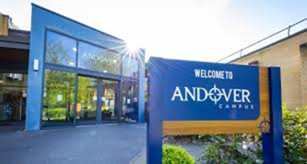
Sparsholt College is based across two campuses, one in Andover and one in Winchester.

Read more about Sparsholt College

Sparsholt College and University Centre

Learning and Disability Support at Sparsholt College

We have a dedicated Additional Learning Support Team, who want to help you reach your potential comprising of:

  • Learning Support Workers
  • Key Workers
  • ALS team leaders
  • SpLD Assessor/Specialist
  • SEN Officer

We aim to remove barriers to learning ensuring students achieve their outcomes. All of our support programmes are personalised to meet the needs of the learner as well as fostering independence in learning.

Sparsholt College is based across two campuses, one in Andover and one in Winchester.

Read more about Sparsholt College

Barton Peveril Sixth Form College

Barton Peveril Sixth Form College

Learning and Disability Support at Barton Peveril College

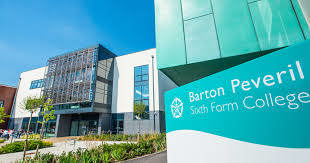
Barton Peveril is a fully inclusive college where students with additional needs thrive, achieving outcomes that surpass those of their peers. Our supportive environment fosters a strong sense of belonging for all members of our college community. We provide personalised scaffolded support to students with EHCPs and SEND with the aim of reducing learning, personal and social barriers and instil resilience and independence.

Read more about Barton Peveril College

Barton Peveril Sixth Form College

Barton Peveril Sixth Form College

Learning and Disability Support at Barton Peveril College

Barton Peveril is a fully inclusive college where students with additional needs thrive, achieving outcomes that surpass those of their peers. Our supportive environment fosters a strong sense of belonging for all members of our college community. We provide personalised scaffolded support to students with EHCPs and SEND with the aim of reducing learning, personal and social barriers and instil resilience and independence.

Read more about Barton Peveril College

Basingstoke College of Technology

Love Basingstoke chats to Aspiral Learning

Learning and Disability Support at Basingstoke College of Technology

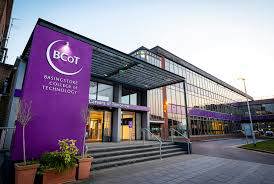
We have a dedicated team that are able to support students with a variety of additional needs and are committed to providing the highest standards of support to learners who have a disability or learning difficulty.

It is important that you give us as much information as you can on your application form so we know what additional needs you may require. We can then make sure you get the right support to help you succeed at BCoT.

Read more about Basingstoke College of Technology

Basingstoke College of Technology

Love Basingstoke chats to Aspiral Learning

Learning and Disability Support at Basingstoke College of Technology

We have a dedicated team that are able to support students with a variety of additional needs and are committed to providing the highest standards of support to learners who have a disability or learning difficulty.

It is important that you give us as much information as you can on your application form so we know what additional needs you may require. We can then make sure you get the right support to help you succeed at BCoT.

Read more about Basingstoke College of Technology

Brockenhurst College

Brockenhurst College (@brockcollege ...

Learning and Disability Support at Brockenhurst College

At Brockenhurst College we are a general Further Education college offering a wide range of courses that are both academic and vocational. We provide courses ranging from entry-level learning to Level 3, enabling student progression to Higher Education and/or employment. We also have provision for young people with complex needs at our new Foundation and Independence Hub. Importantly, Hub admissions are funded in agreement with Hampshire County Council.

Read more about Brockenhurst College

Brockenhurst College

Brockenhurst College (@brockcollege ...

Learning and Disability Support at Brockenhurst College

At Brockenhurst College we are a general Further Education college offering a wide range of courses that are both academic and vocational. We provide courses ranging from entry-level learning to Level 3, enabling student progression to Higher Education and/or employment. We also have provision for young people with complex needs at our new Foundation and Independence Hub. Importantly, Hub admissions are funded in agreement with Hampshire County Council.

Read more about Brockenhurst College

Peter Symmonds College

PSC #PeterSymondsCollege #LifeAtPSC

Learning and Disability Support at Peter Symmonds College

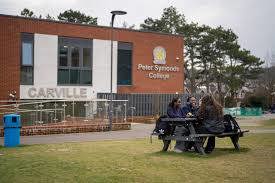
The department is able to offer support for students with specific learning differences (SpLD), physical and sensory impairments, communication needs and/or social, emotional and mental health difficulties. We have a thriving neurodiverse community and are passionate about creating an inclusive and supportive learning environment for all our students. Please see links on this page for more information about how we work to achieve this.

Read more about Peter Symonds College

Peter Symmonds College

PSC #PeterSymondsCollege #LifeAtPSC

Learning and Disability Support at Peter Symmonds College

The department is able to offer support for students with specific learning differences (SpLD), physical and sensory impairments, communication needs and/or social, emotional and mental health difficulties. We have a thriving neurodiverse community and are passionate about creating an inclusive and supportive learning environment for all our students. Please see links on this page for more information about how we work to achieve this.

Read more about Peter Symonds College

Queen Mary’s College

Two QMC staff self-isolating after ...

Learning and Disability Support at Queen Mary’s College

The Learning Hub is on hand to help you with any additional Academic support you may need with your studies and offers specialist workshops to aid revision around exams. It also offers support for students with learning difficulties, physical disabilities or sensory impairments.

We also have a dedicated Wellbeing Hub in College to support you, alongside a range of activities to enhance your mental health and wellbeing. The Wellbeing Hub can support with any additional personal support you may need with your studies and offers 1-1 meetings with our advisers or therapy dogs to help with any issue that may arise during your time at QMC, for example housing, benefits, drug related issues and sexual health. We also have our own counselling service for those students who require more in-depth support. Students can self-refer in confidence.

Read more about Queen Mary's College

Queen Mary’s College

Two QMC staff self-isolating after ...

Learning and Disability Support at Queen Mary’s College

The Learning Hub is on hand to help you with any additional Academic support you may need with your studies and offers specialist workshops to aid revision around exams. It also offers support for students with learning difficulties, physical disabilities or sensory impairments.

We also have a dedicated Wellbeing Hub in College to support you, alongside a range of activities to enhance your mental health and wellbeing. The Wellbeing Hub can support with any additional personal support you may need with your studies and offers 1-1 meetings with our advisers or therapy dogs to help with any issue that may arise during your time at QMC, for example housing, benefits, drug related issues and sexual health. We also have our own counselling service for those students who require more in-depth support. Students can self-refer in confidence.

Read more about Queen Mary's College

Totton College

Life at Totton College | Be Who You ...

Learning and Disability Support at Totton College

Personalised support at Totton College 

Additional support is not dictated by what course a student is on. SEND support is available and in place across all college departments and courses and is deployed where it is needed. We have courses designed to meet specific types and levels of SEND in both of Skills for Life and Pathways departments.   

Preparation for adulthood is at the core of all provision with a focus on a progressive SEND curriculum. The curriculum is planned to equip students with the skills, knowledge and behaviours they need to progress on to their next, suitable stage of adulthood and/or independence, education or employment.   

Whether it’s managing everyday tasks, navigating emotional challenges, or enhancing academic experiences, we’re here to ensure every student’s journey is smooth, fulfilling, and enriched with opportunities for growth. 

Read more about Totton College

Totton College

Life at Totton College | Be Who You ...

Learning and Disability Support at Totton College

Personalised support at Totton College 

Additional support is not dictated by what course a student is on. SEND support is available and in place across all college departments and courses and is deployed where it is needed. We have courses designed to meet specific types and levels of SEND in both of Skills for Life and Pathways departments.   

Preparation for adulthood is at the core of all provision with a focus on a progressive SEND curriculum. The curriculum is planned to equip students with the skills, knowledge and behaviours they need to progress on to their next, suitable stage of adulthood and/or independence, education or employment.   

Whether it’s managing everyday tasks, navigating emotional challenges, or enhancing academic experiences, we’re here to ensure every student’s journey is smooth, fulfilling, and enriched with opportunities for growth. 

Read more about Totton College

Can I go to university if I have SEND?

If you are a young person who has SEND and you have decided that you would like to go to university, that is brilliant, as there is a lot of support to help you get there.

  • You can ask your college to help you with the UCAS application process.
  • You can declare your disability, which will help a university to ensure that support is in place. Make sure to share as much information as you feel comfortable with, to help your university support you the best they can. Declaring this information will not have a negative impact on your application and can only help you.
  • The UCAS website has more detailed information regarding this point and there is a link in the next section.


Can universities meet my needs?

Universities have a legal duty to support students who have SEND. Examples of things a university can do to help you with your studies might include:

·       Getting notes of lectures in advance.

·       Ensuring course materials are in a format you can understand.

·       Making lectures accessible, for example by providing scribes or interpreters or assistive technology.

·       Giving you extra time to complete coursework or exams.

·       Allocating a support worker who can help you plan and organise your studies.

·       Allocating a support worker who can help you plan and organise your studies.

·       Providing accessible buildings and study rooms.

These changes are called reasonable adjustments. You can read more about your right to reasonable adjustments on the website below.

Can universities meet my needs?

Universities have a legal duty to support students who have SEND. Examples of things a university can do to help you with your studies might include:

·       Getting notes of lectures in advance.

·       Ensuring course materials are in a format you can understand.

·       Making lectures accessible, for example by providing scribes or interpreters or assistive technology.

·       Giving you extra time to complete coursework or exams.

·       Allocating a support worker who can help you plan and organise your studies.

·       Allocating a support worker who can help you plan and organise your studies.

·       Providing accessible buildings and study rooms.

These changes are called reasonable adjustments. You can read more about your right to reasonable adjustments on the website below.

For students with disabilities, it's important to make sure you've applied for the right funding and that the right people know what you need.

You can read more about the support (including financial support) that you can get at university at Disabled Students Advice and Financial Support at UCAS

What is Disabled Students’ Allowance?

The Disabled Students’ Allowance (DSA) gives you financial support to cover your study-related costs at university. You can apply for this allowance if you have a mental health problem, long term illness or any other disability.

Disabled Students' Allowance is extra money for higher education students.

To assess the financial support, you will first need an assessment.

Help if you're a student with a learning difficulty, health problem or disability

Here you can learn more about eligibility an see how to apply.

The allowance can be claimed on its own or in addition to other student finance that you are entitled to. The nature of support and how much you get depends on your individual needs not your household income.

Some universities offer specialist mentoring services for students who receive DSA. Qualified mentors will meet with you regularly to ensure that you get the best from your university experience.

For students with disabilities, it's important to make sure you've applied for the right funding and that the right people know what you need.

You can read more about the support (including financial support) that you can get at university at Disabled Students Advice and Financial Support at UCAS

What is Disabled Students’ Allowance?

The Disabled Students’ Allowance (DSA) gives you financial support to cover your study-related costs at university. You can apply for this allowance if you have a mental health problem, long term illness or any other disability.

Disabled Students' Allowance is extra money for higher education students.

To assess the financial support, you will first need an assessment.

Help if you're a student with a learning difficulty, health problem or disability

Here you can learn more about eligibility an see how to apply.

The allowance can be claimed on its own or in addition to other student finance that you are entitled to. The nature of support and how much you get depends on your individual needs not your household income.

Some universities offer specialist mentoring services for students who receive DSA. Qualified mentors will meet with you regularly to ensure that you get the best from your university experience.

Our local university offer

Each university will have a disability policy that describes the support they provide to students.

Here are some examples from our local universities. This does not mean that you cannot go out of the local area to attend university; it just gives you some information on the help available.

If you want to explore universities further away you can find further advice at Whatuni.