Skip to content

What can I do to support my child at home?

Toddler dancing while dad claps his hands

The activities in this section are designed to support your child's learning and development through play. They reflect the Portage approach, which focuses on building on your child's interests, celebrating small steps and creating opportunities for learning within everyday interactions.

You do not need specialist equipment or lots of time to support your child's development. Simple activities such as singing songs, sharing books, playing games, blowing bubbles or exploring different textures can create valuable opportunities for communication, attention, interaction and learning.

Every child develops at their own pace, so there is no right or wrong way to take part. Follow your child's lead, focus on what they enjoy, and remember that spending time together is often the most important part of the activity.

The videos below demonstrate some simple ideas you can try at home. They are intended to give you practical examples of how play can support your child's development and help you feel confident in creating learning opportunities during everyday routines.

Remember, every small step is worth celebrating. By building on your child's strengths and interests, these everyday moments can support their confidence, communication and development over time.

Child playing with leaves

Sensory play gives children opportunities to explore and learn about the world using their senses. Activities that involve touch, sound, sight, movement and different textures can support children's curiosity, attention and engagement.

In this video, you'll see simple sensory play ideas that can help encourage exploration, communication and learning through everyday experiences. Many sensory activities can be adapted to suit your child's interests and can be easily incorporated into play at home.

Sensory Umbrella Activity


Farm Sensory Play

Child playing with leaves

Sensory play gives children opportunities to explore and learn about the world using their senses. Activities that involve touch, sound, sight, movement and different textures can support children's curiosity, attention and engagement.

In this video, you'll see simple sensory play ideas that can help encourage exploration, communication and learning through everyday experiences. Many sensory activities can be adapted to suit your child's interests and can be easily incorporated into play at home.

Sensory Umbrella Activity


Farm Sensory Play

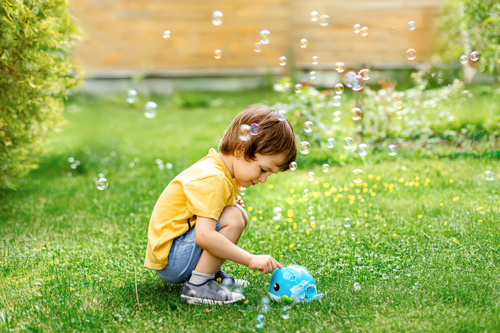
Little boy playing with bubbles

Bubbles are a simple, fun activity that many children enjoy. They can be a great way to encourage attention, interaction and communication while creating opportunities to share play together.

In this video, you'll see how bubbles can be used to support skills such as turn-taking, eye contact, anticipation, requesting and joint attention. Following your child's lead and sharing in activities they enjoy can help create meaningful learning opportunities through play.

Ready Steady Go with Bubbles


Portage - Bubbles


Little boy playing with bubbles

Bubbles are a simple, fun activity that many children enjoy. They can be a great way to encourage attention, interaction and communication while creating opportunities to share play together.

In this video, you'll see how bubbles can be used to support skills such as turn-taking, eye contact, anticipation, requesting and joint attention. Following your child's lead and sharing in activities they enjoy can help create meaningful learning opportunities through play.

Ready Steady Go with Bubbles


Portage - Bubbles


Mum and daughter singing

Songs and nursery rhymes are a wonderful way to support your child's communication and development. Repetition, rhythm and actions help children become familiar with words, sounds and routines while making learning fun and engaging.

In this video, you'll discover how simple songs and rhymes can encourage attention, listening, anticipation, interaction and early communication skills. You don't need to be a singer to enjoy these activities together. Sharing songs as part of everyday routines can help create positive learning experiences for your child.

Developing communication through nursery rhymes


Portage - Song Bag


Mum and daughter singing

Songs and nursery rhymes are a wonderful way to support your child's communication and development. Repetition, rhythm and actions help children become familiar with words, sounds and routines while making learning fun and engaging.

In this video, you'll discover how simple songs and rhymes can encourage attention, listening, anticipation, interaction and early communication skills. You don't need to be a singer to enjoy these activities together. Sharing songs as part of everyday routines can help create positive learning experiences for your child.

Developing communication through nursery rhymes


Portage - Song Bag


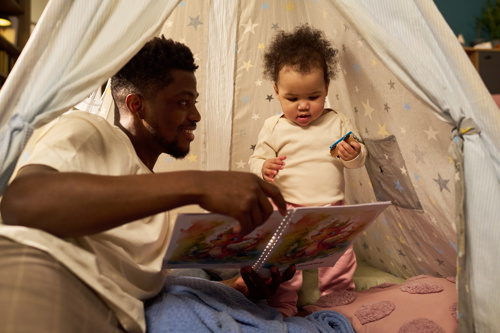
Man reading with daughter

Sharing books with your child is a simple and enjoyable way to support communication, attention and early learning. Looking at books together helps children learn to focus on pictures, listen to language and spend time engaged in an activity with another person.

In this video, you'll see how sharing books can create opportunities for interaction, communication and learning. Remember, you don't have to read every word. Talking about pictures, pointing to familiar objects and following your child's interests can be just as valuable.

Dear Zoo Story


Sharing books


Man reading with daughter

Sharing books with your child is a simple and enjoyable way to support communication, attention and early learning. Looking at books together helps children learn to focus on pictures, listen to language and spend time engaged in an activity with another person.

In this video, you'll see how sharing books can create opportunities for interaction, communication and learning. Remember, you don't have to read every word. Talking about pictures, pointing to familiar objects and following your child's interests can be just as valuable.

Dear Zoo Story


Sharing books


Face-to-face games are a fun way to encourage attention, communication and social interaction. Simple games help children learn to enjoy spending time with others and create opportunities for shared attention and engagement.

In this video, you'll see how everyday games can support skills such as eye contact, turn-taking, anticipation and interaction. These activities can be adapted to suit your child's interests and can easily be incorporated into daily routines and play.

Using tickles to encourage your child to communicate

Face-to-face games are a fun way to encourage attention, communication and social interaction. Simple games help children learn to enjoy spending time with others and create opportunities for shared attention and engagement.

In this video, you'll see how everyday games can support skills such as eye contact, turn-taking, anticipation and interaction. These activities can be adapted to suit your child's interests and can easily be incorporated into daily routines and play.

Using tickles to encourage your child to communicate

Parents playing with their daughter

Ready, Steady, Go! games are a simple but effective way to support attention, communication and interaction skills. The predictable routine of "Ready... Steady..." followed by a pause and then "Go!" helps children learn to listen, focus and anticipate what will happen next.

In this video, you'll see how these games can encourage children to participate and communicate in their own way. As children become familiar with the routine, they may show they want the activity to continue through eye contact, gestures, signs, sounds or words. These small moments of communication can become valuable opportunities for learning and interaction.

Top Tips - Ready, Steady, Go Games

Parents playing with their daughter

Ready, Steady, Go! games are a simple but effective way to support attention, communication and interaction skills. The predictable routine of "Ready... Steady..." followed by a pause and then "Go!" helps children learn to listen, focus and anticipate what will happen next.

In this video, you'll see how these games can encourage children to participate and communicate in their own way. As children become familiar with the routine, they may show they want the activity to continue through eye contact, gestures, signs, sounds or words. These small moments of communication can become valuable opportunities for learning and interaction.

Top Tips - Ready, Steady, Go Games