Sensory differences
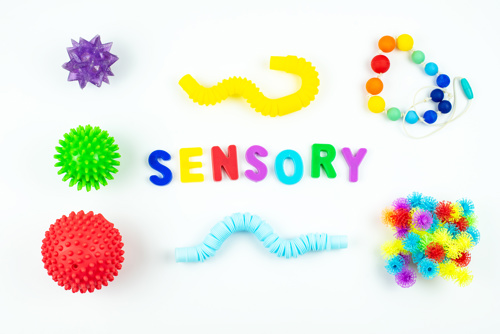
Sensory processing differences mean you experience input from the senses differently to other people. Many people on the autism spectrum have difficulty processing everyday sensory information. While most commonly associated with autism, sensory issues can occur independently or alongside other conditions like Attention Deficit Hyperactivity Disorder (ADHD) or Developmental Co-ordination Disorder (DCD) so a child or young person might have difficulties with sensory processing but not have autism.
Any of the child or young person's senses may be over- or under-sensitive, or both, at different times. These sensory differences can affect behaviour, and can have a profound effect on a person’s life.
This video was developed by the National Autistic Society to show you what it could feel like to experience sensory overload.
See the external link on the right for some helpful information also developed by the National Autistic Society.
M&S has created a range of easy dressing school uniform with help from The National Autistic Society to make dressing for school easier, quicker and more comfortable for both parents and children. Use the link on the right to view the range.