Some schools have a sixth form which means you can continue learning their until you are 18. You may decide to stay at your school's sixth form if they have one, or you may prefer to move on to a college.

After you turn 16, you need to do education, training or work until you’re 18 — but there are lots of ways to do this, so you can choose what works best for you.
This is your space to explore what’s possible for your future. Whether you’re thinking about school, college, training, or getting a job, we’re here to help you find the right path for you.
Below you will find information about going to college as a young person with additional needs; including what your options are and what help you can expect.
Some schools have a sixth form which means you can continue learning their until you are 18. You may decide to stay at your school's sixth form if they have one, or you may prefer to move on to a college.
Some schools have a sixth form which means you can continue learning their until you are 18. You may decide to stay at your school's sixth form if they have one, or you may prefer to move on to a college.
Colleges are often less formal than schools. You are often allowed to call your teacher by their first name for example. You can choose from a range of subjects to study there and they often offer vocational courses as well.
The South Hampshire College Group has made this video about what it is like in their colleges:
Colleges are often less formal than schools. You are often allowed to call your teacher by their first name for example. You can choose from a range of subjects to study there and they often offer vocational courses as well.
The South Hampshire College Group has made this video about what it is like in their colleges:
Mainstream further education colleges support students with SEND in a similar way to schools and should follow the SEND code of practice: 0–25 years.
There should be a named person in overall charge of SEND support just like in a school.
The college must make sure that students with SEND know who this is and where to go for help.
Under the Equality Act 2010, mainstream further education colleges must also do everything they reasonably can to remove all the barriers to learning for disabled students. This might include:
Mainstream further education colleges support students with SEND in a similar way to schools and should follow the SEND code of practice: 0–25 years.
There should be a named person in overall charge of SEND support just like in a school.
The college must make sure that students with SEND know who this is and where to go for help.
Under the Equality Act 2010, mainstream further education colleges must also do everything they reasonably can to remove all the barriers to learning for disabled students. This might include:
Colleges have a legal duty to support students who have SEND. This means if you need help to enable you to succeed at college the help should be there.
Examples of support are:
You do not need an EHCP to get support for you special educational needs in college.
Colleges have a legal duty to support students who have SEND. This means if you need help to enable you to succeed at college the help should be there.
Examples of support are:
You do not need an EHCP to get support for you special educational needs in college.
If you had extra help at school, or think you might need support at college, it’s important to tell the college as early as you can.
When the college knows what you need, they can start planning how to help you move from school to college. This might include extra visits to the campus or meeting the staff who will be supporting you.
Share as much information as you feel comfortable with — this helps the college understand you and give you the right support.
Telling the college about your needs will not affect your application in a bad way.
If you had extra help at school, or think you might need support at college, it’s important to tell the college as early as you can.
When the college knows what you need, they can start planning how to help you move from school to college. This might include extra visits to the campus or meeting the staff who will be supporting you.
Share as much information as you feel comfortable with — this helps the college understand you and give you the right support.
Telling the college about your needs will not affect your application in a bad way.
You can do A levels at college or sixth form. You can do these after your GCSEs. The subjects are like GCSEs but there are a lot more to choose from.
More information about A Levels
You can do T levels at college or sixth form. You can do these after your GCSEs. If you know what industry (the type of job) you want to work in, T levels can help you learn the skills you need.
More information about T Levels
You can do technical and vocational courses at college. You can do these after your GCSEs. Technical and vocational courses can help you learn skills by being hands on and practicing.
You can do technical and vocational courses at college. You can do these after your GCSEs. Technical and vocational courses can help you learn skills by being hands on and practical.
More Information about Technical and Vocational courses
An apprenticeship is where you do a job but also learn at the same time and gain qualifications. You can do this after your GCSEs.
More information about apprenticeships
You can do a supported internship when you would like a job but aren’t quite ready. It is an education course but you spend most of your time in the workplace. You can do this from the age of 16.
More Information about apprenticeships
Call 0800 100 9000 or visit the National Careers Service website for a webchat.
You can do A levels at college or sixth form. You can do these after your GCSEs. The subjects are like GCSEs but there are a lot more to choose from.
More information about A Levels
You can do T levels at college or sixth form. You can do these after your GCSEs. If you know what industry (the type of job) you want to work in, T levels can help you learn the skills you need.
More information about T Levels
You can do technical and vocational courses at college. You can do these after your GCSEs. Technical and vocational courses can help you learn skills by being hands on and practicing.
You can do technical and vocational courses at college. You can do these after your GCSEs. Technical and vocational courses can help you learn skills by being hands on and practical.
More Information about Technical and Vocational courses
An apprenticeship is where you do a job but also learn at the same time and gain qualifications. You can do this after your GCSEs.
More information about apprenticeships
You can do a supported internship when you would like a job but aren’t quite ready. It is an education course but you spend most of your time in the workplace. You can do this from the age of 16.
More Information about apprenticeships
Call 0800 100 9000 or visit the National Careers Service website for a webchat.
We have lots of great colleges in Hampshire. There will be a college local to you but sometimes young people opt to travel to a college further away to do a particular course if it is not offered in their local college. The choice is up to you! Go visit some colleges, do some research to help you decide what is best for you.
To help you make your decision, here is some more about these colleges offer students with SEND.
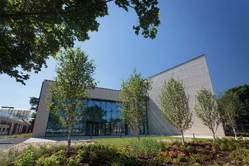
Learning and Disability Support at Farnborough College of Technology
At FCOT, their aim is to provide ongoing support to assist students to be successful in their learning whilst supporting them in developing their independence. Students with learning difficulties or disabilities have a choice of progression routes.
Learning and Disability Support at Farnborough College of Technology
At FCOT, their aim is to provide ongoing support to assist students to be successful in their learning whilst supporting them in developing their independence. Students with learning difficulties or disabilities have a choice of progression routes.

Learning and Disability Support at St Vincent College
We aim not only to meet the needs of individuals, but also to anticipate those needs. These aims are adhered to throughout all aspects of college life from enquiry to admission and enrolment and finally to moving on from college.
Learning and Disability Support at St Vincent College
We aim not only to meet the needs of individuals, but also to anticipate those needs. These aims are adhered to throughout all aspects of college life from enquiry to admission and enrolment and finally to moving on from college.
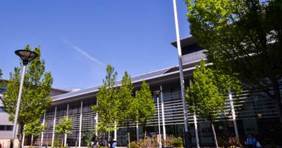
Learning and Disability Support at City of Portsmouth College.
Explore our comprehensive Special Educational Needs and Disabilities (SEND) support services, providing inclusive and supportive learning experiences for all students.
Learning and Disability Support at City of Portsmouth College.
Explore our comprehensive Special Educational Needs and Disabilities (SEND) support services, providing inclusive and supportive learning experiences for all students.
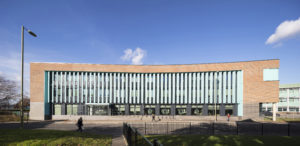

Learning and Disability Support at Havant & South Downs College
HSDC is a leading Further and Higher Education College providing learning across three campuses in Hampshire - Alton, Havant & South Downs.
Learning and Disability Support at Havant & South Downs College
HSDC is a leading Further and Higher Education College providing learning across three campuses in Hampshire - Alton, Havant & South Downs.
Sparsholt College and University Centre
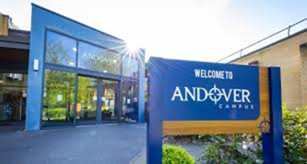
Learning and Disability Support at Sparsholt College
We have a dedicated Additional Learning Support Team, who want to help you reach your potential comprising of:
We aim to remove barriers to learning ensuring students achieve their outcomes. All of our support programmes are personalised to meet the needs of the learner as well as fostering independence in learning.
Sparsholt College is based across two campuses, one in Andover and one in Winchester.
Sparsholt College and University Centre
Learning and Disability Support at Sparsholt College
We have a dedicated Additional Learning Support Team, who want to help you reach your potential comprising of:
We aim to remove barriers to learning ensuring students achieve their outcomes. All of our support programmes are personalised to meet the needs of the learner as well as fostering independence in learning.
Sparsholt College is based across two campuses, one in Andover and one in Winchester.
Barton Peveril Sixth Form College
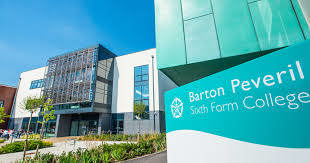
Learning and Disability Support at Barton Peveril College
Barton Peveril is a fully inclusive college where students with additional needs thrive, achieving outcomes that surpass those of their peers. Our supportive environment fosters a strong sense of belonging for all members of our college community. We provide personalised scaffolded support to students with EHCPs and SEND with the aim of reducing learning, personal and social barriers and instil resilience and independence.
Barton Peveril Sixth Form College
Learning and Disability Support at Barton Peveril College
Barton Peveril is a fully inclusive college where students with additional needs thrive, achieving outcomes that surpass those of their peers. Our supportive environment fosters a strong sense of belonging for all members of our college community. We provide personalised scaffolded support to students with EHCPs and SEND with the aim of reducing learning, personal and social barriers and instil resilience and independence.
Basingstoke College of Technology
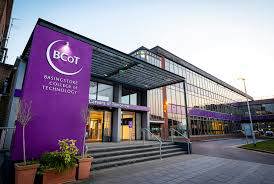
Learning and Disability Support at Basingstoke College of Technology
We have a dedicated team that are able to support students with a variety of additional needs and are committed to providing the highest standards of support to learners who have a disability or learning difficulty.
It is important that you give us as much information as you can on your application form so we know what additional needs you may require. We can then make sure you get the right support to help you succeed at BCoT.
Basingstoke College of Technology
Learning and Disability Support at Basingstoke College of Technology
We have a dedicated team that are able to support students with a variety of additional needs and are committed to providing the highest standards of support to learners who have a disability or learning difficulty.
It is important that you give us as much information as you can on your application form so we know what additional needs you may require. We can then make sure you get the right support to help you succeed at BCoT.
Brockenhurst College
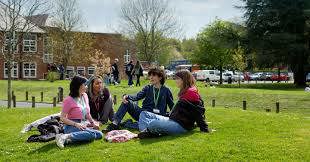
Learning and Disability Support at Brockenhurst College
At Brockenhurst College we are a general Further Education college offering a wide range of courses that are both academic and vocational. We provide courses ranging from entry-level learning to Level 3, enabling student progression to Higher Education and/or employment. We also have provision for young people with complex needs at our new Foundation and Independence Hub. Importantly, Hub admissions are funded in agreement with Hampshire County Council.
Brockenhurst College
Learning and Disability Support at Brockenhurst College
At Brockenhurst College we are a general Further Education college offering a wide range of courses that are both academic and vocational. We provide courses ranging from entry-level learning to Level 3, enabling student progression to Higher Education and/or employment. We also have provision for young people with complex needs at our new Foundation and Independence Hub. Importantly, Hub admissions are funded in agreement with Hampshire County Council.
Peter Symmonds College
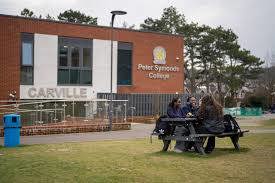
Learning and Disability Support at Peter Symmonds College
The department is able to offer support for students with specific learning differences (SpLD), physical and sensory impairments, communication needs and/or social, emotional and mental health difficulties. We have a thriving neurodiverse community and are passionate about creating an inclusive and supportive learning environment for all our students. Please see links on this page for more information about how we work to achieve this.
Peter Symmonds College
Learning and Disability Support at Peter Symmonds College
The department is able to offer support for students with specific learning differences (SpLD), physical and sensory impairments, communication needs and/or social, emotional and mental health difficulties. We have a thriving neurodiverse community and are passionate about creating an inclusive and supportive learning environment for all our students. Please see links on this page for more information about how we work to achieve this.
Queen Mary’s College
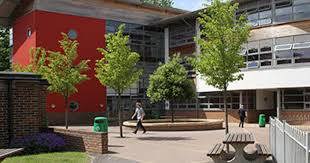
Learning and Disability Support at Queen Mary’s College
The Learning Hub is on hand to help you with any additional Academic support you may need with your studies and offers specialist workshops to aid revision around exams. It also offers support for students with learning difficulties, physical disabilities or sensory impairments.
We also have a dedicated Wellbeing Hub in College to support you, alongside a range of activities to enhance your mental health and wellbeing. The Wellbeing Hub can support with any additional personal support you may need with your studies and offers 1-1 meetings with our advisers or therapy dogs to help with any issue that may arise during your time at QMC, for example housing, benefits, drug related issues and sexual health. We also have our own counselling service for those students who require more in-depth support. Students can self-refer in confidence.
Queen Mary’s College
Learning and Disability Support at Queen Mary’s College
The Learning Hub is on hand to help you with any additional Academic support you may need with your studies and offers specialist workshops to aid revision around exams. It also offers support for students with learning difficulties, physical disabilities or sensory impairments.
We also have a dedicated Wellbeing Hub in College to support you, alongside a range of activities to enhance your mental health and wellbeing. The Wellbeing Hub can support with any additional personal support you may need with your studies and offers 1-1 meetings with our advisers or therapy dogs to help with any issue that may arise during your time at QMC, for example housing, benefits, drug related issues and sexual health. We also have our own counselling service for those students who require more in-depth support. Students can self-refer in confidence.
Totton College

Learning and Disability Support at Totton College
Personalised support at Totton College
Additional support is not dictated by what course a student is on. SEND support is available and in place across all college departments and courses and is deployed where it is needed. We have courses designed to meet specific types and levels of SEND in both of Skills for Life and Pathways departments.
Preparation for adulthood is at the core of all provision with a focus on a progressive SEND curriculum. The curriculum is planned to equip students with the skills, knowledge and behaviours they need to progress on to their next, suitable stage of adulthood and/or independence, education or employment.
Whether it’s managing everyday tasks, navigating emotional challenges, or enhancing academic experiences, we’re here to ensure every student’s journey is smooth, fulfilling, and enriched with opportunities for growth.
Totton College
Learning and Disability Support at Totton College
Personalised support at Totton College
Additional support is not dictated by what course a student is on. SEND support is available and in place across all college departments and courses and is deployed where it is needed. We have courses designed to meet specific types and levels of SEND in both of Skills for Life and Pathways departments.
Preparation for adulthood is at the core of all provision with a focus on a progressive SEND curriculum. The curriculum is planned to equip students with the skills, knowledge and behaviours they need to progress on to their next, suitable stage of adulthood and/or independence, education or employment.
Whether it’s managing everyday tasks, navigating emotional challenges, or enhancing academic experiences, we’re here to ensure every student’s journey is smooth, fulfilling, and enriched with opportunities for growth.