When you’re an adult you might get help and support from other people.

This could be:
- The Adults’ Health and Care department in the Council.
- The Department for Work and Pensions for help with employment.
- The local housing department.

The Independent Futures team work with young people in Hampshire who have significant disabilities or complex support needs. They support with the transition to adulthood.
Transition means change. The transition we talk about here is the change from being a child to being an adult.
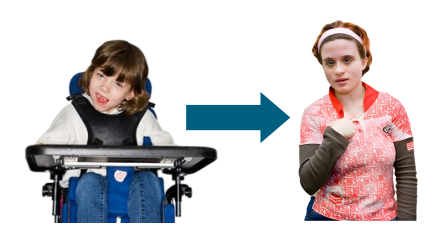
You may be getting help and support from Children’s Services. This support ends when you are 18.
When you’re an adult you might get help and support from other people.
This could be:
When you’re an adult you might get help and support from other people.
This could be:
The Independent Futures Team is here to help you. We are part of Adults’ Health and Care.
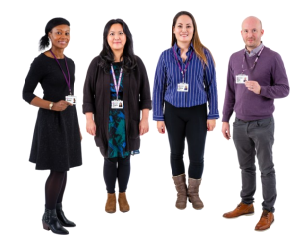
We will help you to get the right support from the right people. We will work with you to make your transition go well.
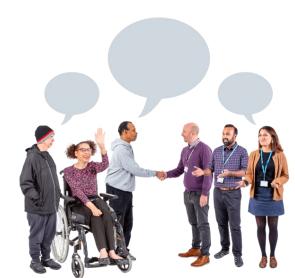
The Independent Futures Team is here to help you. We are part of Adults’ Health and Care.
We will help you to get the right support from the right people. We will work with you to make your transition go well.
We will talk to you when the time is right for you.

It may be when you are 14 or 15 years old. It will probably be when you are 16 or 17 years old.

We talk about when you will be 18 years old and become an adult.

You are the most important person we listen to.

If you say it is okay we will also talk to your family and other people who are important in your life.

If you have a children’s social worker or a health worker we will talk to them. We will also talk to teachers at your school.

We will talk to you when the time is right for you.
It may be when you are 14 or 15 years old. It will probably be when you are 16 or 17 years old.
We talk about when you will be 18 years old and become an adult.
You are the most important person we listen to.
If you say it is okay we will also talk to your family and other people who are important in your life.
If you have a children’s social worker or a health worker we will talk to them. We will also talk to teachers at your school.
Who we are able to help is based on what it says in a law called the Care Act 2014.
We will assess you to see If rules in this law are met. If they are then you are entitled to support from adult social care.
What is the Care Act?
The Care Act 2014 is a law.
It says when the council must help adults who need:
This includes disabled young adults.
Who gives the support?
Your local council gives care and support.
They decide this by doing a Care Act assessment.
How does the council decide?
The council asks 4 main questions.
You may get support if the answer is yes to all of them.
1️⃣ Do you have care or support needs?
The council looks at whether you need help.
You might need help because you find some things hard to do.
2️⃣ Are your needs because of a disability or health condition?
Your needs must be because of:
3️⃣ Does this make everyday life hard?
The council looks at everyday life.
This could include:
4️⃣ Does this affect your wellbeing?
Wellbeing means:
The council checks if your needs have a big impact on your wellbeing.
✔️ If the answer is yes
If the answer is yes to all 4 questions:
You should be eligible for support under the Care Act.
Who we are able to help is based on what it says in a law called the Care Act 2014.
We will assess you to see If rules in this law are met. If they are then you are entitled to support from adult social care.
What is the Care Act?
The Care Act 2014 is a law.
It says when the council must help adults who need:
This includes disabled young adults.
Who gives the support?
Your local council gives care and support.
They decide this by doing a Care Act assessment.
How does the council decide?
The council asks 4 main questions.
You may get support if the answer is yes to all of them.
1️⃣ Do you have care or support needs?
The council looks at whether you need help.
You might need help because you find some things hard to do.
2️⃣ Are your needs because of a disability or health condition?
Your needs must be because of:
3️⃣ Does this make everyday life hard?
The council looks at everyday life.
This could include:
4️⃣ Does this affect your wellbeing?
Wellbeing means:
The council checks if your needs have a big impact on your wellbeing.
✔️ If the answer is yes
If the answer is yes to all 4 questions:
You should be eligible for support under the Care Act.
We give information and advice to everyone.

Sometimes people need more help and support.

We cannot help everyone. We have to follow rules about who we can help.

This is an Easy Read guide to help you understand how we support people:
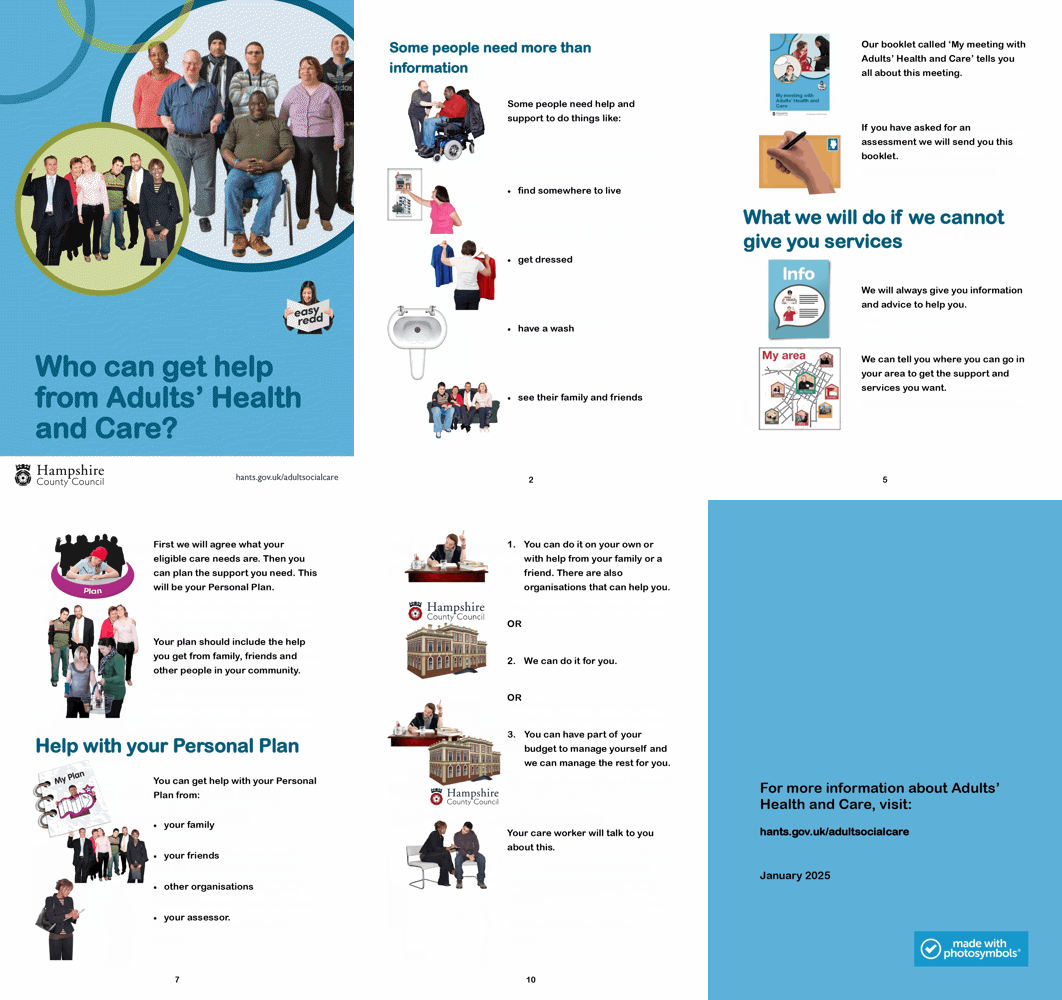
We give information and advice to everyone.
Sometimes people need more help and support.
We cannot help everyone. We have to follow rules about who we can help.
This is an Easy Read guide to help you understand how we support people:
Ask someone you trust to help you complete this online form.
Ask someone you trust to help you complete this online form.
An assessment is a meeting to help us understand:
An assessment is a meeting to help us understand:
If you find it hard to take part in the meeting or assessment, you’re allowed to have someone there to help you.
This could be a grown‑up who looks after you or someone who works with you.
If there isn’t anyone who can help, then someone will be chosen to help you.
If you find it hard to take part in the meeting or assessment, you’re allowed to have someone there to help you.
This could be a grown‑up who looks after you or someone who works with you.
If there isn’t anyone who can help, then someone will be chosen to help you.
The help you get from the Independent Futures Team is free.
If, after your assessment, we agree that you need other services that cost money, we might ask you to pay towards them.
The help you get from the Independent Futures Team is free.
If, after your assessment, we agree that you need other services that cost money, we might ask you to pay towards them.