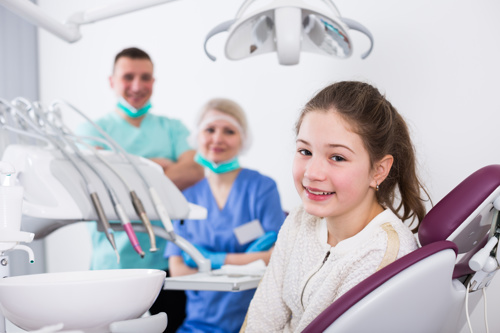
When you are young, your parents are usually involved in your health care. They may make decisions for you, and speak to health workers on your behalf but as you grow up, you will start to take on more responsibility for this yourself.
Can I see a doctor by myself?
Yes. There is no reason why you can’t ask to see the doctor by yourself. They might encourage you to tell your parent or carer if they think you need their support but they should try to understand how you feel if you don’t want to.
Keeping your information private
If you want to talk to a medical professional such as a nurse or a doctor about something personal, they must keep this information confidential, even if you are under 16. This may be information about:
- Sex
- Relationships
- Pregnancy
- Contraception
- Drugs & Alcohol
- Feeling Down or Anxious
The health service keeps all your health information confidential. This includes:
- Anything you say
- Information someone writes about you, and
- Details of any treatment you have had
You can talk to medical professionals about anything to do with your health.
Will my parents be given information about me?
Usually, medical professionals are not allowed to tell your parents anything you have talked to them about, unless you have agreed to this. But the medical professional may suggest that you speak to your parents or an adult you trust. A medical professional may want to send out information to you. If you don’t want your parents to see this, you can:
- Ask them to post it to a friend’s address
- Say you’ll pick it up, or
- Ask them not to send anything.
NHS and your health and care records.
How do I get a doctor?
If you’re over the age of 13, you can register with a GP by yourself. You can find a list of local GP’s in your area on the NHS website. Some GP’s also ask to see a proof of identity like a passport or proof of address.
If you’re under the age of 13, your parents or carers should register you at a doctor’s surgery, but it doesn’t have to be same one as them or the rest of your family. If you don't want your parents to know, you can still register by yourself but you might be asked some questions to make sure you're okay.
How do I make an appointment?
You can make an appointment by calling your GP surgery and speaking to the receptionist or going there in person. The receptionist will ask you who the appointment is for and why. This is to make sure that you see the right person at the right time.
If it’s something personal then you don’t have to tell them why - just say it’s for something personal. You can also ask to see a male or female medical professional if this would make you feel more comfortable.
Can I make appointments without speaking to someone?
If you’re struggling with anxiety or feeling worried, try explaining this when you make the appointment to see if they can help in any way.
Also, perhaps try to take a trusted friend or family member with you for support.
It can take a while to build yourself up to seeing someone, but it’s so important because then you’ll be able to get help to feel better.
Check out the DocReady website which has tips on preparing yourself for a GP appointment.
What happens if I don’t like my doctor?
Most doctors are great at their job and care about their patients a lot. But, there are times when people either don’t get on with or feel uncomfortable with their doctor. You can always ask to see someone else. You may not be able to do this straight away and might have to wait for another appointment, so it’s better to say as early as possible.