
Skip to content


Welcome to Hampshire's Care Leavers Local Offer. This website contains information about support available to you.

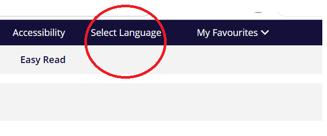
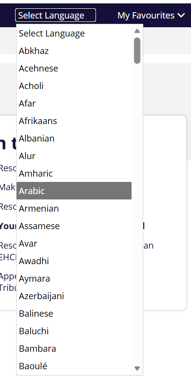
Translate this webpage

Step 1

Step 2

You may hear people use the term “unaccompanied asylum-seeking child.” 

This term is used when someone has:

  • Come to the UK on their own
  • They were under 18 when they arrived
  • They do not have a parent or adult who looks after them here
  • You are asking to stay in the UK because it is not safe for you to go back to your home country

Here you can find what support you can expect when you arrive in Hampshire and as you grow older.

Pathway planning is the key to support once you become a care leaver. Once you reach your 16th birthday you will no longer have a care plan. Instead you will start pathway planning.

Your pathway plan will take account of your individual circumstances, including immigration status, education history, and any experiences of trauma, to support your transition to independence.

A pathway plan is a written document that looks at your plans and goals and what is needed to help you achieve them. Before your first pathway plan your social worker will complete the Pathway Assessment of Need with you. This helps identify your current skills and new skills that you need to develop to help you move towards being more independent.

A pathway Plan is broken down into different areas:

• Essential information about Me
• Contact details for those people supporting Me
• Accommodation
• Education, training and employment
• Money
• Health and lifestyle
• Leisure
• Family and friends
• Identity
• Emotions and behaviour
• Self care and presentation
• Support

Pathway Plan Review

To make sure things stay on track for you, your pathway plan will be reviewed at least every six months or sooner if needed. These reviews will continue until at least your 21st birthday or up until Children's Services legally cease supporting you.

Once you become an adult you may want your reviews to be held in a different way. It is important you speak to your Personal Advisor about your wishes.

Pathway planning is the key to support once you become a care leaver. Once you reach your 16th birthday you will no longer have a care plan. Instead you will start pathway planning.

Your pathway plan will take account of your individual circumstances, including immigration status, education history, and any experiences of trauma, to support your transition to independence.

A pathway plan is a written document that looks at your plans and goals and what is needed to help you achieve them. Before your first pathway plan your social worker will complete the Pathway Assessment of Need with you. This helps identify your current skills and new skills that you need to develop to help you move towards being more independent.

A pathway Plan is broken down into different areas:

• Essential information about Me
• Contact details for those people supporting Me
• Accommodation
• Education, training and employment
• Money
• Health and lifestyle
• Leisure
• Family and friends
• Identity
• Emotions and behaviour
• Self care and presentation
• Support

Pathway Plan Review

To make sure things stay on track for you, your pathway plan will be reviewed at least every six months or sooner if needed. These reviews will continue until at least your 21st birthday or up until Children's Services legally cease supporting you.

Once you become an adult you may want your reviews to be held in a different way. It is important you speak to your Personal Advisor about your wishes.

Your Personal Adviser or social worker will:

  • Help you understand your situation
  • Support you to make plans
  • Support you to access specialist immigration advice and legal representation.
  • Help you find the right legal support and understand the advice you are given.
  • Help you understand important deadlines, attend appointments where appropriate, and access support during immigration applications or appeals.

We have no control over what the Home Office decides but we will help you all we can while you are in our care.

Your Personal Adviser or social worker will:

  • Help you understand your situation
  • Support you to make plans
  • Support you to access specialist immigration advice and legal representation.
  • Help you find the right legal support and understand the advice you are given.
  • Help you understand important deadlines, attend appointments where appropriate, and access support during immigration applications or appeals.

We have no control over what the Home Office decides but we will help you all we can while you are in our care.

We cannot provide immigration advice or tell you what decisions to make about your immigration case.

If you need advice about your immigration status or application, you should speak to your immigration solicitor.

If you do not know who your solicitor is, have lost their contact details, or are finding it difficult to contact them, speak to your Social Worker or Personal Adviser. They can help you understand who is supporting you and what steps to take next.

We cannot provide immigration advice, but we can help you access the right support and services.

Your Social Worker or Personal Adviser can help you:

  • keep contact details for your solicitor safe
  • understand who is supporting you with your immigration case
  • contact your solicitor if needed
  • find appropriate support services if you are unsure where to get help

We cannot provide immigration advice or tell you what decisions to make about your immigration case.

If you need advice about your immigration status or application, you should speak to your immigration solicitor.

If you do not know who your solicitor is, have lost their contact details, or are finding it difficult to contact them, speak to your Social Worker or Personal Adviser. They can help you understand who is supporting you and what steps to take next.

We cannot provide immigration advice, but we can help you access the right support and services.

Your Social Worker or Personal Adviser can help you:

  • keep contact details for your solicitor safe
  • understand who is supporting you with your immigration case
  • contact your solicitor if needed
  • find appropriate support services if you are unsure where to get help

While you are in our care we can help you with getting important documents such as:

We will help you understand these documents and keep them safe. It is important to tell your Social Worker, Personal Adviser or solicitor if any of your documents are lost, damaged or out of date.

If you are thinking about travelling outside the UK, speak to your solicitor or Personal Adviser first. Travelling may affect your immigration application or status in some situations.

If you are unsure about anything, speak to your PA who will support you.

While you are in our care we can help you with getting important documents such as:

We will help you understand these documents and keep them safe. It is important to tell your Social Worker, Personal Adviser or solicitor if any of your documents are lost, damaged or out of date.

If you are thinking about travelling outside the UK, speak to your solicitor or Personal Adviser first. Travelling may affect your immigration application or status in some situations.

If you are unsure about anything, speak to your PA who will support you.

We understand that many young people who arrive in the UK on their own may have had difficult experiences and may have experienced trauma. We can support you to access mental health services and specialist support where needed.

When a person under 18 arrives in the UK they are:

  • Kept safe
  • Given a place to live
  • Supported with things like education, health, and daily life
  • Given a Personal Allowance
  • Helped to understand their rights and what is happening

Other things we will support you with:

  • Making friends and building confidence
  • Learning new skills for everyday life
  • understanding your immigration status
  • planning your future through a Triple Planning approach

Triple Planning means making plans for different possible futures while you wait for a decision about your immigration status.

Explaining Triple Planning to Young People - Other languages

We understand that many young people who arrive in the UK on their own may have had difficult experiences and may have experienced trauma. We can support you to access mental health services and specialist support where needed.

When a person under 18 arrives in the UK they are:

  • Kept safe
  • Given a place to live
  • Supported with things like education, health, and daily life
  • Given a Personal Allowance
  • Helped to understand their rights and what is happening

Other things we will support you with:

  • Making friends and building confidence
  • Learning new skills for everyday life
  • understanding your immigration status
  • planning your future through a Triple Planning approach

Triple Planning means making plans for different possible futures while you wait for a decision about your immigration status.

Explaining Triple Planning to Young People - Other languages

You will generally be able to attend school or college until you are 18 while your claim is being considered.

Access to apprenticeships will depend on your immigration status.

Access to university and student finance can also vary depending on immigration status.

What education you are able to access once you are 18 will be discussed with you and recorded in your Pathway Plan.


You will generally be able to attend school or college until you are 18 while your claim is being considered.

Access to apprenticeships will depend on your immigration status.

Access to university and student finance can also vary depending on immigration status.

What education you are able to access once you are 18 will be discussed with you and recorded in your Pathway Plan.


Once you are 18, we will support you to find safe and suitable accommodation as you move into adulthood, taking into account your individual needs and circumstances.

You can get help with things like:

    • somewhere to live
    • education or training
    • money and budgeting
    • mental health and wellbeing

Once you reach 18 years old:

  • You can still get support from the council
  • You will usually have a Personal Adviser (PA) to help you
  • You will have a plan to help you move towards independence

The financial support you can get once you are 18 depends on where you are in the asylum process and your immigration status. Your Personal Adviser can explain what support you are entitled to.

Once you are 18, we will support you to find safe and suitable accommodation as you move into adulthood, taking into account your individual needs and circumstances.

You can get help with things like:

    • somewhere to live
    • education or training
    • money and budgeting
    • mental health and wellbeing

Once you reach 18 years old:

  • You can still get support from the council
  • You will usually have a Personal Adviser (PA) to help you
  • You will have a plan to help you move towards independence

The financial support you can get once you are 18 depends on where you are in the asylum process and your immigration status. Your Personal Adviser can explain what support you are entitled to.

Your immigration status (your asylum claim or decision) may affect:

  • What financial support you can get
  • What housing options are available
  • Work
  • Study
  • Access student finance
  • Claim benefits
  • Rent accommodation
  • Open bank accounts
  • Obtain a driving licence

Your immigration status (your asylum claim or decision) may affect:

  • What financial support you can get
  • What housing options are available
  • Work
  • Study
  • Access student finance
  • Claim benefits
  • Rent accommodation
  • Open bank accounts
  • Obtain a driving licence

If you are an eligible former relevant care leaver, you can ask for support from the Leaving Care Service up to the age of 25.

A Personal Adviser can help you:

  • understand your immigration status and what it means for you
  • access specialist legal advice and support
  • understand and prepare for important immigration decisions and deadlines
  • keep your immigration documents and eVisa records up to date
  • understand your rights and entitlements
  • access education, training, employment, housing and other services

You do not have to manage your immigration journey on your own. Your Personal Adviser can help you access the information, advice and support you need.

If you are an eligible former relevant care leaver, you can ask for support from the Leaving Care Service up to the age of 25.

A Personal Adviser can help you:

  • understand your immigration status and what it means for you
  • access specialist legal advice and support
  • understand and prepare for important immigration decisions and deadlines
  • keep your immigration documents and eVisa records up to date
  • understand your rights and entitlements
  • access education, training, employment, housing and other services

You do not have to manage your immigration journey on your own. Your Personal Adviser can help you access the information, advice and support you need.

If you are awaiting a final immigration decision, you may continue to receive financial support from the Care Leavers Service if you cannot access benefits or employment.

If you are seeking asylum and are unable to access benefits, you may be eligible for Section 95 asylum support from the Home Office. Section 95 support can provide accommodation, financial support, or a combination of both for people who are seeking asylum and are unable to meet their essential living needs. Support is usually available while an asylum claim is being considered. 

Section 95 support may include:

  • Accommodation arranged through the Home Office.
  • Financial support to help with essential living costs.
  • Additional support in some circumstances where there are exceptional needs. 

This will only apply to a small number of care leavers. 

Where can I get more information?

You can:

  • Speak to your Personal Adviser.
  • Speak to your Housing or Leaving Care worker.
  • Read more about Section 95 asylum support on the NRPF Network website. 

Important: The support available depends on your individual circumstances and immigration status. Any information on this page should be read alongside advice from your Personal Adviser, Housing colleagues and specialist immigration advisers where appropriate.

If you are seeking asylum and are unable to access benefits, you may be eligible for Section 95 asylum support from the Home Office. Section 95 support can provide accommodation, financial support, or a combination of both for people who are seeking asylum and are unable to meet their essential living needs. Support is usually available while an asylum claim is being considered. 

Section 95 support may include:

  • Accommodation arranged through the Home Office.
  • Financial support to help with essential living costs.
  • Additional support in some circumstances where there are exceptional needs. 

This will only apply to a small number of care leavers. 

Where can I get more information?

You can:

  • Speak to your Personal Adviser.
  • Speak to your Housing or Leaving Care worker.
  • Read more about Section 95 asylum support on the NRPF Network website. 

Important: The support available depends on your individual circumstances and immigration status. Any information on this page should be read alongside advice from your Personal Adviser, Housing colleagues and specialist immigration advisers where appropriate.

Refugee Council Independent Unaccompanied Asylum-Seeking Children Support Service (IUSS)

The Refugee Council's Independent Unaccompanied Asylum-Seeking Children Support Service (IUSS) supports children and young people under 18 who have arrived in the UK without a parent or guardian.

They can help you:

  • understand the asylum process
  • understand how to claim asylum
  • find legal advice and support
  • prepare for asylum interviews, appeals and immigration hearings
  • understand housing and accommodation options
  • access education, including schools and colleges
  • access health services and support
  • try to locate family members
  • understand who can help you and where to get support

The service also supports professionals working with unaccompanied children seeking asylum.

Website: Refugee Council IUSS
Freephone: 0808 175 3499
WhatsApp: 07888 866 615

British Red Cross

The British Red Cross supports refugees and people seeking asylum in the UK.

They may be able to help with:

  • practical and emotional support
  • finding information and advice
  • understanding where to get help
  • support through one-to-one casework
  • emergency support in some situations
  • family reunion advice
  • finding missing family members overseas
  • support for people who have experienced trafficking, abuse or exploitation

The British Red Cross can also help you find other organisations and services that may be able to support you.

Website: https://www.redcross.org.uk/get-help/get-help-as-a-refugee  

Refugee Council Independent Unaccompanied Asylum-Seeking Children Support Service (IUSS)

The Refugee Council's Independent Unaccompanied Asylum-Seeking Children Support Service (IUSS) supports children and young people under 18 who have arrived in the UK without a parent or guardian.

They can help you:

  • understand the asylum process
  • understand how to claim asylum
  • find legal advice and support
  • prepare for asylum interviews, appeals and immigration hearings
  • understand housing and accommodation options
  • access education, including schools and colleges
  • access health services and support
  • try to locate family members
  • understand who can help you and where to get support

The service also supports professionals working with unaccompanied children seeking asylum.

Website: Refugee Council IUSS
Freephone: 0808 175 3499
WhatsApp: 07888 866 615

British Red Cross

The British Red Cross supports refugees and people seeking asylum in the UK.

They may be able to help with:

  • practical and emotional support
  • finding information and advice
  • understanding where to get help
  • support through one-to-one casework
  • emergency support in some situations
  • family reunion advice
  • finding missing family members overseas
  • support for people who have experienced trafficking, abuse or exploitation

The British Red Cross can also help you find other organisations and services that may be able to support you.

Website: https://www.redcross.org.uk/get-help/get-help-as-a-refugee