What is a vaccination and why should I have one?
Questions or More Information
- Speak to your GP, school nurse, or practice nurse.
- NHS Advice on Vaccines.
- Guide to Immunisations for Children and Young People
Easy Read explanation of vaccinations

Looking after your health is an important part of everyday life — and we’re here to help make it easier to understand.
This section is about keeping your body and mind healthy. You’ll find information about:
You might feel unsure or worried about some of these things, like visiting the doctor or having a needle. That’s okay — lots of people feel this way. This section will help you know what to expect, so things feel less scary.
We want to help you:
Everyone is different. You can go at your own pace, ask questions, and get support when you need it.
There is no pressure and no judgement — just helpful information to support you to feel your best.
What is a vaccination and why should I have one?
Questions or More Information
Easy Read explanation of vaccinations
What is a vaccination and why should I have one?
Questions or More Information
Easy Read explanation of vaccinations
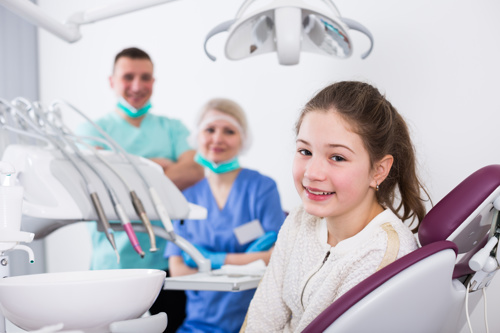
Your teeth, mouth, gums and tongue are all really important parts of your body and keeping them healthy should be part of your daily routine.
Brushing your teeth twice a day (last thing at night before you go to bed and on one other occasion) with fluoride toothpaste and having regular check-ups with a dentist can help to keep your teeth healthy. Diet, smoking and drinking alcohol also have an effect on dental health.
What happens at the dentist?
Find an easy read guide to looking after your teeth and gums. There are also some brilliant videos and guides on oral health at NHS Team Smile.
You should only need to see a Dentist once a year, but if your worried about your teeth, don't delay in making an appointment.
If you don't have a dentist, you can find a dentist near to where you live.
Find out how much NHS dental treatment costs.
If you cannot access a dentist due to your needs you may be able to get help from the Special Care Dental Service.
Your teeth, mouth, gums and tongue are all really important parts of your body and keeping them healthy should be part of your daily routine.
Brushing your teeth twice a day (last thing at night before you go to bed and on one other occasion) with fluoride toothpaste and having regular check-ups with a dentist can help to keep your teeth healthy. Diet, smoking and drinking alcohol also have an effect on dental health.
What happens at the dentist?
Find an easy read guide to looking after your teeth and gums. There are also some brilliant videos and guides on oral health at NHS Team Smile.
You should only need to see a Dentist once a year, but if your worried about your teeth, don't delay in making an appointment.
If you don't have a dentist, you can find a dentist near to where you live.
Find out how much NHS dental treatment costs.
If you cannot access a dentist due to your needs you may be able to get help from the Special Care Dental Service.
When you are young, your parents are usually involved in your health care. They may make decisions for you, and speak to health workers on your behalf but as you grow up, you will start to take on more responsibility for this yourself.
Yes. There is no reason why you can’t ask to see the doctor by yourself. They might encourage you to tell your parent or carer if they think you need their support but they should try to understand how you feel if you don’t want to.
If you want to talk to a medical professional such as a nurse or a doctor about something personal, they must keep this information confidential, even if you are under 16. This may be information about:
The health service keeps all your health information confidential. This includes:
You can talk to medical professionals about anything to do with your health.
Usually, medical professionals are not allowed to tell your parents anything you have talked to them about, unless you have agreed to this. But the medical professional may suggest that you speak to your parents or an adult you trust. A medical professional may want to send out information to you. If you don’t want your parents to see this, you can:
NHS and your health and care records.
If you’re over the age of 13, you can register with a GP by yourself. You can find a list of local GP’s in your area on the NHS website. Some GP’s also ask to see a proof of identity like a passport or proof of address.
If you’re under the age of 13, your parents or carers should register you at a doctor’s surgery, but it doesn’t have to be same one as them or the rest of your family. If you don't want your parents to know, you can still register by yourself but you might be asked some questions to make sure you're okay.
You can make an appointment by calling your GP surgery and speaking to the receptionist or going there in person. The receptionist will ask you who the appointment is for and why. This is to make sure that you see the right person at the right time.
If it’s something personal then you don’t have to tell them why - just say it’s for something personal. You can also ask to see a male or female medical professional if this would make you feel more comfortable.
If you’re struggling with anxiety or feeling worried, try explaining this when you make the appointment to see if they can help in any way.
Also, perhaps try to take a trusted friend or family member with you for support.
It can take a while to build yourself up to seeing someone, but it’s so important because then you’ll be able to get help to feel better.
Check out the DocReady website which has tips on preparing yourself for a GP appointment.
Most doctors are great at their job and care about their patients a lot. But, there are times when people either don’t get on with or feel uncomfortable with their doctor. You can always ask to see someone else. You may not be able to do this straight away and might have to wait for another appointment, so it’s better to say as early as possible.
When you are young, your parents are usually involved in your health care. They may make decisions for you, and speak to health workers on your behalf but as you grow up, you will start to take on more responsibility for this yourself.
Yes. There is no reason why you can’t ask to see the doctor by yourself. They might encourage you to tell your parent or carer if they think you need their support but they should try to understand how you feel if you don’t want to.
If you want to talk to a medical professional such as a nurse or a doctor about something personal, they must keep this information confidential, even if you are under 16. This may be information about:
The health service keeps all your health information confidential. This includes:
You can talk to medical professionals about anything to do with your health.
Usually, medical professionals are not allowed to tell your parents anything you have talked to them about, unless you have agreed to this. But the medical professional may suggest that you speak to your parents or an adult you trust. A medical professional may want to send out information to you. If you don’t want your parents to see this, you can:
NHS and your health and care records.
If you’re over the age of 13, you can register with a GP by yourself. You can find a list of local GP’s in your area on the NHS website. Some GP’s also ask to see a proof of identity like a passport or proof of address.
If you’re under the age of 13, your parents or carers should register you at a doctor’s surgery, but it doesn’t have to be same one as them or the rest of your family. If you don't want your parents to know, you can still register by yourself but you might be asked some questions to make sure you're okay.
You can make an appointment by calling your GP surgery and speaking to the receptionist or going there in person. The receptionist will ask you who the appointment is for and why. This is to make sure that you see the right person at the right time.
If it’s something personal then you don’t have to tell them why - just say it’s for something personal. You can also ask to see a male or female medical professional if this would make you feel more comfortable.
If you’re struggling with anxiety or feeling worried, try explaining this when you make the appointment to see if they can help in any way.
Also, perhaps try to take a trusted friend or family member with you for support.
It can take a while to build yourself up to seeing someone, but it’s so important because then you’ll be able to get help to feel better.
Check out the DocReady website which has tips on preparing yourself for a GP appointment.
Most doctors are great at their job and care about their patients a lot. But, there are times when people either don’t get on with or feel uncomfortable with their doctor. You can always ask to see someone else. You may not be able to do this straight away and might have to wait for another appointment, so it’s better to say as early as possible.
What you need to know
Whilst you're a teenager your body is going through a number of changes and your brain is still developing, it's best if these changes are made whilst your body is being supported by a healthy diet.
Eating healthily doesn't mean cutting out all the stereotypically yummy foods, but it does mean eating them less often and in smaller amounts. It's important during teenage years, when eating healthily, to actually eat, not to skip meals, substitute food for drinks or start unreasonable diets. There are a number of nutrients that are super important whilst you're still growing and developing, so a balanced diet is essential.
Having a balanced diet:
Having a balanced diet is really important, you need to eat a mixture of all the foods on the Eatwell plate to make sure you are getting all the right nutrients. Avoiding too much fat, sugar and salt as well will make sure that you getting a really balanced diet.
Try to choose a variety of foods from the four main food groups:
Stay hydrated by drinking mainly water, as well as milk and occasionally juice.
Top tips for teenager's healthy eating:
What else can help me adopt healthier habits?
Changing your habits can be challenging. And developing new habits takes time. Use the tips below to stay motivated and meet your goals. You can do it!
Make changes slowly
Don’t expect to change your eating, drinking, physical activity, or sleeping habits overnight. Changing too much too fast may limit your chances of success.
Figure out what’s holding you back
For example:
Have a think and come up with a plan to change these habits.
Set a few realistic goals
If you drink sugar-sweetened beverages every day, try replacing some of them with water. Once you are drinking fewer of these beverages for a while, try cutting out all of them. Then set another goal, like getting more physical activity each day. Once you have reached one goal, add another.
Get help from friends and family
Get a friend at school, someone at home, or a co-worker at your job to support your new habits. Ask a friend, brother or sister, parent, guardian, or co-worker to help you make changes and stick with your new habits.
Get the facts - British Nutrition's YouTube Channel
What if I don't like eating something?
We all vary in the foods we like, it is not unusual to experiment with different eating habits - you may have decided to become vegetarian or tried changing your diet to improve your health. Keep trying new foods to find the ones that you do like.
Don't worry, all foods fit! None are off limits.
What if I'm concerned about my diet?
Some eating patterns can be damaging. Problems with food can begin when we use food to cope with those times when you are bored, anxious, angry, lonely or sad.
Having a poor diet you may notice that your skin may become more spotty or your hair may become more greasy, so in order to keep yourself looking well you need to eat well.
Where can I get help?
Advice for anyone worried they might have an eating disorder. Support on the Helpline is available by phone, email, webchat through our social media accounts and by letter. Calls to the helpline are free from landlines and mobile phones within the UK and do not appear on itemised bills.
Hampshire Public Health Nursing Service – Chat health
Chat Health 11-19 years
07507 332160 - The Chat Health text service is an easy way for young people in Hampshire aged 11-19 to confidentially ask for help with a range of issues. The service is manned by qualified school nurses who have a wealth of experience of working with young people and provide support with a range of health and wellbeing issues, including nutrition advice and with eating disorders. As well as giving advice, the team can signpost to appropriate services and other support.
What you need to know
Whilst you're a teenager your body is going through a number of changes and your brain is still developing, it's best if these changes are made whilst your body is being supported by a healthy diet.
Eating healthily doesn't mean cutting out all the stereotypically yummy foods, but it does mean eating them less often and in smaller amounts. It's important during teenage years, when eating healthily, to actually eat, not to skip meals, substitute food for drinks or start unreasonable diets. There are a number of nutrients that are super important whilst you're still growing and developing, so a balanced diet is essential.
Having a balanced diet:
Having a balanced diet is really important, you need to eat a mixture of all the foods on the Eatwell plate to make sure you are getting all the right nutrients. Avoiding too much fat, sugar and salt as well will make sure that you getting a really balanced diet.
Try to choose a variety of foods from the four main food groups:
Stay hydrated by drinking mainly water, as well as milk and occasionally juice.
Top tips for teenager's healthy eating:
What else can help me adopt healthier habits?
Changing your habits can be challenging. And developing new habits takes time. Use the tips below to stay motivated and meet your goals. You can do it!
Make changes slowly
Don’t expect to change your eating, drinking, physical activity, or sleeping habits overnight. Changing too much too fast may limit your chances of success.
Figure out what’s holding you back
For example:
Have a think and come up with a plan to change these habits.
Set a few realistic goals
If you drink sugar-sweetened beverages every day, try replacing some of them with water. Once you are drinking fewer of these beverages for a while, try cutting out all of them. Then set another goal, like getting more physical activity each day. Once you have reached one goal, add another.
Get help from friends and family
Get a friend at school, someone at home, or a co-worker at your job to support your new habits. Ask a friend, brother or sister, parent, guardian, or co-worker to help you make changes and stick with your new habits.
Get the facts - British Nutrition's YouTube Channel
What if I don't like eating something?
We all vary in the foods we like, it is not unusual to experiment with different eating habits - you may have decided to become vegetarian or tried changing your diet to improve your health. Keep trying new foods to find the ones that you do like.
Don't worry, all foods fit! None are off limits.
What if I'm concerned about my diet?
Some eating patterns can be damaging. Problems with food can begin when we use food to cope with those times when you are bored, anxious, angry, lonely or sad.
Having a poor diet you may notice that your skin may become more spotty or your hair may become more greasy, so in order to keep yourself looking well you need to eat well.
Where can I get help?
Advice for anyone worried they might have an eating disorder. Support on the Helpline is available by phone, email, webchat through our social media accounts and by letter. Calls to the helpline are free from landlines and mobile phones within the UK and do not appear on itemised bills.
Hampshire Public Health Nursing Service – Chat health
Chat Health 11-19 years
07507 332160 - The Chat Health text service is an easy way for young people in Hampshire aged 11-19 to confidentially ask for help with a range of issues. The service is manned by qualified school nurses who have a wealth of experience of working with young people and provide support with a range of health and wellbeing issues, including nutrition advice and with eating disorders. As well as giving advice, the team can signpost to appropriate services and other support.

Keeping fit, is an important part of being healthy. It is suggested that you do an hour of exercise a day and this can range from moderate activity like walking to school or college or scooting to school, to vigorous activity such as running or tennis. This might sound like a lot but you are probably already doing it.
Physical activity and sport is good for your health and fitness.
It is good for you because:
Playing sport does not mean you have to take part in competitions against other people. You can play a sport for fun at your local sports club or community centre. A community centre is a place where people get together and take part in activities.
Physical activity and sport is for everyone and anyone can take part.
A good first step to get more active is to visit your local Leisure Centre website and see what activities they offer:
Sports are really easy to pick up and many of them you can do with friends down at the park, many of them don't require a lot of equipment and can be really easy to set up, such as football, skateboarding, extreme Frisbee for example. Other sports may require a specialist pitches, equipment and clothing.
The best way to decide which sport to do is to think about your strengths and skills, and ultimately which sport(s) you prefer, its no good starting football when you love tennis.
Think about whether or not you like being part of a team, as a team sport like; football, rugby or basketball might be better otherwise choosing a sport where you are the only player like; tennis, swimming or running.
Joining a club is a great way to meet new people along with meeting people that enjoy the same sport(s) as you.
You might already be part of a school or college team but progressing onto a club is a good way of developing your skills further, accessing more competitions or finding like minded people.
Keeping fit, is an important part of being healthy. It is suggested that you do an hour of exercise a day and this can range from moderate activity like walking to school or college or scooting to school, to vigorous activity such as running or tennis. This might sound like a lot but you are probably already doing it.
Physical activity and sport is good for your health and fitness.
It is good for you because:
Playing sport does not mean you have to take part in competitions against other people. You can play a sport for fun at your local sports club or community centre. A community centre is a place where people get together and take part in activities.
Physical activity and sport is for everyone and anyone can take part.
A good first step to get more active is to visit your local Leisure Centre website and see what activities they offer:
Sports are really easy to pick up and many of them you can do with friends down at the park, many of them don't require a lot of equipment and can be really easy to set up, such as football, skateboarding, extreme Frisbee for example. Other sports may require a specialist pitches, equipment and clothing.
The best way to decide which sport to do is to think about your strengths and skills, and ultimately which sport(s) you prefer, its no good starting football when you love tennis.
Think about whether or not you like being part of a team, as a team sport like; football, rugby or basketball might be better otherwise choosing a sport where you are the only player like; tennis, swimming or running.
Joining a club is a great way to meet new people along with meeting people that enjoy the same sport(s) as you.
You might already be part of a school or college team but progressing onto a club is a good way of developing your skills further, accessing more competitions or finding like minded people.
Your Mental Health Matters
Life can feel overwhelming sometimes—school, friendships, family, and everything in between. It’s completely normal to experience ups and downs, and looking after your mental health is just as important as taking care of your physical health. This space is here for you: to help you understand what mental health means, learn practical ways to cope with stress, and find support when you need it.
You’re not alone, and reaching out for help is a sign of strength. Explore the resources, to help you feel informed, empowered, and supported—because your wellbeing matters.
What is mental wellbeing?
Good mental wellbeing doesn't mean you won't ever encounter experiences that are difficult or challenging, but you will have the right skills to overcome problems.
Mental wellbeing is a mixture of thing such as; being happy, content, having high self-esteem, confidence, enjoying the things around you (the list could go on and on). Your mental and physical well-being are of course linked and if you are feeling fit and healthy, this will help you with your mental well-being.
Hampshire CAMHS have some great resources on their website for young people
Young Minds also have some brilliant resources
Check out our full list of advice and resources in Supporting You and Your Family to Stay Mentally Well.
Your Mental Health Matters
Life can feel overwhelming sometimes—school, friendships, family, and everything in between. It’s completely normal to experience ups and downs, and looking after your mental health is just as important as taking care of your physical health. This space is here for you: to help you understand what mental health means, learn practical ways to cope with stress, and find support when you need it.
You’re not alone, and reaching out for help is a sign of strength. Explore the resources, to help you feel informed, empowered, and supported—because your wellbeing matters.
What is mental wellbeing?
Good mental wellbeing doesn't mean you won't ever encounter experiences that are difficult or challenging, but you will have the right skills to overcome problems.
Mental wellbeing is a mixture of thing such as; being happy, content, having high self-esteem, confidence, enjoying the things around you (the list could go on and on). Your mental and physical well-being are of course linked and if you are feeling fit and healthy, this will help you with your mental well-being.
Hampshire CAMHS have some great resources on their website for young people
Young Minds also have some brilliant resources
Check out our full list of advice and resources in Supporting You and Your Family to Stay Mentally Well.