Skip to content

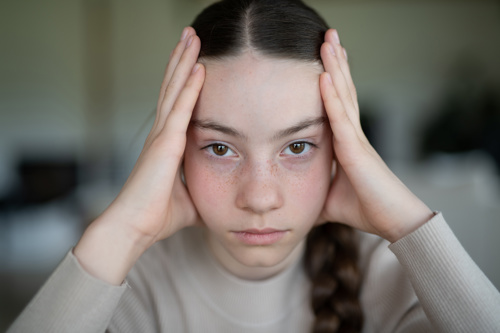
Why can being a girl feel hard sometimes?

Being a girl can feel really tough sometimes. It can seem like there’s a lot of pressure to look a certain way, act a certain way, and have a “perfect” life – even though that isn’t something that it is possible for any of us to have.

Growing up is a time when you’re figuring out who you are — and where you fit in. Everyone wants to feel accepted, liked, and included.

Your brain is actually wired to ask: 👉“Do I belong? Am I accepted?” That’s completely normal.

At the moment, as a young person, your brain is trying to work out where you belong. In an age where we spend so much of our time online on social media it can make it really hard to figure out how to fit in. Social media gives you 24/7 feedback, comparisons, and pressure. That’s a lot for anyone, especially when you’re still growing and figuring things out.

The most important things to remember

  • Social media is not real life
  • You don’t have to look or act like anyone else
  • You are who you are meant to be

Girls are often:

  • More focused on friendships and relationships
  • More likely to compare themselves socially
  • Under more pressure about appearance

Social media mixes friendship, popularity, and appearance all in one place — which makes the pressure stronger.

The pressure to be liked

On social media, things like likes, comments, and followers can feel really important.

Every post becomes a kind of “score”:

  • Lots of likes = “I’m doing well”
  • Not many likes = “Something’s wrong with me”

During your teenage years, approval from others feels extra important, so this can hit much harder than it would for adults

Social media can feel like being on a stage where everyone is watching:

  • What you wear
  • What you post
  • Who you’re with
  • What you look like

At the same time, you’re watching everyone else.

Before social media, girls might have compared themselves to a few people at school.

Now, you’re comparing yourself to:

  • Hundreds of people
  • Influencers
  • Celebrities
  • People you don’t even know

And everything is:

  • Filtered
  • Edited
  • Carefully chosen

👉 This can make it feel like you have to be a certain way to fit in.

Girls are often:

  • More focused on friendships and relationships
  • More likely to compare themselves socially
  • Under more pressure about appearance

Social media mixes friendship, popularity, and appearance all in one place — which makes the pressure stronger.

The pressure to be liked

On social media, things like likes, comments, and followers can feel really important.

Every post becomes a kind of “score”:

  • Lots of likes = “I’m doing well”
  • Not many likes = “Something’s wrong with me”

During your teenage years, approval from others feels extra important, so this can hit much harder than it would for adults

Social media can feel like being on a stage where everyone is watching:

  • What you wear
  • What you post
  • Who you’re with
  • What you look like

At the same time, you’re watching everyone else.

Before social media, girls might have compared themselves to a few people at school.

Now, you’re comparing yourself to:

  • Hundreds of people
  • Influencers
  • Celebrities
  • People you don’t even know

And everything is:

  • Filtered
  • Edited
  • Carefully chosen

👉 This can make it feel like you have to be a certain way to fit in.

Some girls and young women experience things like harassment, unwanted messages, threats, or abuse — both online and offline.

This is a really serious issue, and it affects mental health.

👉 Research shows:

  • Mental health problems are about twice as common in young women as in young men
  • Experts think experiences like harassment or gender-based violence are a big reason why
  • Some girls develop things like anxiety, depression, or even trauma after these experiences

👉 This can make girls feel:

  • Unsafe or scared
  • Stressed or constantly on edge
  • Upset, anxious, or low

Even hearing about these experiences or worrying about safety can affect how you feel day to day.

Some girls and young women experience things like harassment, unwanted messages, threats, or abuse — both online and offline.

This is a really serious issue, and it affects mental health.

👉 Research shows:

  • Mental health problems are about twice as common in young women as in young men
  • Experts think experiences like harassment or gender-based violence are a big reason why
  • Some girls develop things like anxiety, depression, or even trauma after these experiences

👉 This can make girls feel:

  • Unsafe or scared
  • Stressed or constantly on edge
  • Upset, anxious, or low

Even hearing about these experiences or worrying about safety can affect how you feel day to day.

If someone is harassing you or sending messages that make you feel uncomfortable or unsafe, it’s important to know:

👉 This is not your fault.
👉 You don’t have to deal with it on your own.

Here’s what you can do:

🚫 1. Don’t reply

  • Try not to answer or argue back
  • Even though it’s hard, responding can sometimes make it continue
  • Remember: you have done nothing wrong

📲 2. Save the evidence

  • Take screenshots of messages, images, usernames, dates and times
  • Keep the messages if you can (don’t delete straight away)
  • This can help if you report it later

🚷 3. Block and report

  • Block the person so they can’t contact you again
  • Report their account on the app (Instagram, Snapchat, TikTok etc.)
  • Most apps have tools to deal with bullying or inappropriate content

🧑‍🤝‍🧑 4. Tell someone you trust

  • Talk to a parent, carer, teacher, or another trusted adult
  • You could also speak to a school nurse or youth worker

If that feels hard, you can contact free support services:

  • Childline – call 0800 1111 or use online chat
  • Shout – text SHOUT to 85258 for 24/7 support
  • The Cyber Helpline – advice for online problems

⚠️ 5. Get extra help if needed

💛 Remember

  • You deserve to feel safe
  • You are not to blame
  • There are people who will listen and help

If someone is harassing you or sending messages that make you feel uncomfortable or unsafe, it’s important to know:

👉 This is not your fault.
👉 You don’t have to deal with it on your own.

Here’s what you can do:

🚫 1. Don’t reply

  • Try not to answer or argue back
  • Even though it’s hard, responding can sometimes make it continue
  • Remember: you have done nothing wrong

📲 2. Save the evidence

  • Take screenshots of messages, images, usernames, dates and times
  • Keep the messages if you can (don’t delete straight away)
  • This can help if you report it later

🚷 3. Block and report

  • Block the person so they can’t contact you again
  • Report their account on the app (Instagram, Snapchat, TikTok etc.)
  • Most apps have tools to deal with bullying or inappropriate content

🧑‍🤝‍🧑 4. Tell someone you trust

  • Talk to a parent, carer, teacher, or another trusted adult
  • You could also speak to a school nurse or youth worker

If that feels hard, you can contact free support services:

  • Childline – call 0800 1111 or use online chat
  • Shout – text SHOUT to 85258 for 24/7 support
  • The Cyber Helpline – advice for online problems

⚠️ 5. Get extra help if needed

💛 Remember

  • You deserve to feel safe
  • You are not to blame
  • There are people who will listen and help

Sometimes, harassment doesn’t just happen online. It can also happen in school or in person. This might include:

  • unwanted sexual comments or jokes
  • staring, following, or making you feel uncomfortable
  • unwanted touching or getting too close
  • pressure to send photos or do something you don’t want to do

Research shows that sexual harassment and abuse between young people (sometimes called peer-on-peer abuse) is a serious and growing concern.
National data shows that a large number of sexual abuse cases now involve children harming other children, and reports are increasing.

This does not mean it is normal or acceptable. It should always be taken seriously, and young people have the right to feel safe and respected.


👉 It is not okay, and you do not have to put up with it.

What should you do if this is happening to you?

1. Trust how you feel

    • If something makes you feel uncomfortable, unsafe, or upset, that matters
    • You don’t need to “put up with it” or laugh it off

2. Tell someone you trust

    • Speak to a teacher, pastoral lead, school nurse, or another adult at school
    • You can also tell a parent, carer, or another trusted adult

3. Keep a note of what’s happening

    • Write down what happened, when, and who was involved
    • This can help if you want to report it

4. Ask for support at school

  • Schools should take this seriously and help keep you safe
  • They can take action to stop it happening again

📞 5. Get support if you need it

If you don’t feel able to talk to someone you know, you can contact:

  • Childline – call 0800 1111 or chat online
  • Shout – text SHOUT to 85258 (24/7 support)

Sometimes, harassment doesn’t just happen online. It can also happen in school or in person. This might include:

  • unwanted sexual comments or jokes
  • staring, following, or making you feel uncomfortable
  • unwanted touching or getting too close
  • pressure to send photos or do something you don’t want to do

Research shows that sexual harassment and abuse between young people (sometimes called peer-on-peer abuse) is a serious and growing concern.
National data shows that a large number of sexual abuse cases now involve children harming other children, and reports are increasing.

This does not mean it is normal or acceptable. It should always be taken seriously, and young people have the right to feel safe and respected.


👉 It is not okay, and you do not have to put up with it.

What should you do if this is happening to you?

1. Trust how you feel

    • If something makes you feel uncomfortable, unsafe, or upset, that matters
    • You don’t need to “put up with it” or laugh it off

2. Tell someone you trust

    • Speak to a teacher, pastoral lead, school nurse, or another adult at school
    • You can also tell a parent, carer, or another trusted adult

3. Keep a note of what’s happening

    • Write down what happened, when, and who was involved
    • This can help if you want to report it

4. Ask for support at school

  • Schools should take this seriously and help keep you safe
  • They can take action to stop it happening again

📞 5. Get support if you need it

If you don’t feel able to talk to someone you know, you can contact:

  • Childline – call 0800 1111 or chat online
  • Shout – text SHOUT to 85258 (24/7 support)

Things that can help

  • Unfollow or mute accounts that make you feel bad
  • Talk to someone you trust
  • Take breaks from social media
  • Surround yourself with positive, supportive people
  • Practice standing up for yourself. Keep telling yourself you do not have to tolerate harassment.

The NSPCC Calm Zone tools

The Calm Zone is an online “toolbox” created by Childline to help children and young people feel calmer when they are anxious, overwhelmed, upset or stressed.

There are lots of ways to feel calmer – it’s about finding what works for you

The Calm Zone gives you simple ways to help their body and mind feel calmer.

The techniques work because they slow the body down, bring attention back to the present moment, and help children notice and manage their feelings without becoming overwhelmed.

With practice, these skills can help you feel more in control and cope better with worries or stress.

Why these techniques help

They calm the body first (not just the mind)

When you are anxious, your body is often in “fight or flight” mode (fast heart rate, shallow breathing).

  • Slow, deep breathing signals to the body that it’s safe
  • This can lower heart rate and reduce physical stress

👉 That’s why breathing is so important in getting back to a calm state.

They bring you back to the present moment

What is Mindfulness?

Mindfulness means paying attention to what’s happening now, instead of worrying about the past or future

Techniques like:

  • noticing sounds
  • focusing on breathing
  • looking at objects around you

help you “ground” yourself.

👉 Grounding is important because anxiety often comes from:

  • “what if” thinking
  • replaying worries

Focusing on the present breaks that cycle.

Mindfulness reduces stress and builds emotional resilience over time

With practice, these become skills you can use whenever you need to.

You can view it here: Childline Calm Zone

Things that can help

  • Unfollow or mute accounts that make you feel bad
  • Talk to someone you trust
  • Take breaks from social media
  • Surround yourself with positive, supportive people
  • Practice standing up for yourself. Keep telling yourself you do not have to tolerate harassment.

The NSPCC Calm Zone tools

The Calm Zone is an online “toolbox” created by Childline to help children and young people feel calmer when they are anxious, overwhelmed, upset or stressed.

There are lots of ways to feel calmer – it’s about finding what works for you

The Calm Zone gives you simple ways to help their body and mind feel calmer.

The techniques work because they slow the body down, bring attention back to the present moment, and help children notice and manage their feelings without becoming overwhelmed.

With practice, these skills can help you feel more in control and cope better with worries or stress.

Why these techniques help

They calm the body first (not just the mind)

When you are anxious, your body is often in “fight or flight” mode (fast heart rate, shallow breathing).

  • Slow, deep breathing signals to the body that it’s safe
  • This can lower heart rate and reduce physical stress

👉 That’s why breathing is so important in getting back to a calm state.

They bring you back to the present moment

What is Mindfulness?

Mindfulness means paying attention to what’s happening now, instead of worrying about the past or future

Techniques like:

  • noticing sounds
  • focusing on breathing
  • looking at objects around you

help you “ground” yourself.

👉 Grounding is important because anxiety often comes from:

  • “what if” thinking
  • replaying worries

Focusing on the present breaks that cycle.

Mindfulness reduces stress and builds emotional resilience over time

With practice, these become skills you can use whenever you need to.

You can view it here: Childline Calm Zone