
Skip to content

Something’s Not Right: Sex and Relationships

If something has happened, or you’re feeling worried about sex or your safety, you’re not alone.

This page is here to help if you have questions or need support around things like sex, relationships, consent, pregnancy, or your health.

You might be feeling confused, upset, scared, or unsure what to do next. That’s okay. What you’re feeling matters, and there is support available.

Whether you want information, advice, or someone to talk to, you can find help here. You can go at your own pace and choose what feels right for you.

Rape and sexual assault are not just physical acts—they can have a big impact on how someone feels, thinks, and copes with everyday life.

Everyone reacts differently, but it’s important to understand why these experiences can feel so overwhelming.

Why rape and sexual assault affect someone so deeply

  • It takes away control and safety
  • Sexual assault means your body and personal boundaries have been violated. This can make a person feel unsafe, out of control, and unsure if they can trust others again.
  • Experiencing something traumatic can put the body into “survival mode.” Some people may feel constantly on edge, anxious, or have panic attacks. Others may feel numb or disconnected.

These are normal reactions to something to a very serious violation.

It can lead to difficult emotions, for example, people who have been assaulted may feel:

  • Shame or embarrassment
  • Guilt or self-blame (even though it is never their fault)
  • Fear, anxiety, or sadness

These feelings can be very strong, but they are not a sign of weakness—they are a response to trauma.

It can affect how someone sees themselves and others, for example, someone might struggle with their confidence or feel different from who they were before. Trusting other people—even friends or family—may feel harder.

Other people’s reactions can make it harder

Sometimes people worry about being judged or not believed. Myths or unhelpful comments can make someone feel alone or make it harder to speak up.

Important things to remember

  • It is never the survivor’s fault
  • Everyone reacts in their own way—there is no “right” way to feel
  • Support is available, and people can recover and rebuild over time
  • Talking to someone safe and trusted can really help

Where can you go for help?

The NHS has information on services that can help if you’ve been sexually assaulted, raped or abused, even if you don’t report the assault to the police.

You can also call the 24-hour freephone National Domestic Abuse Helpline, run by Refuge, on 0808 2000 247 at anytime. 

Sexual assault referral centres (SARCs) are located across Hampshire and offer a range of services, including crisis care, medical and forensic examinations, emergency contraception and testing for STIs.

You can find a sexual assault referral centre by searching using your postcode. They will give you advice even if you do not want to attend the centre. They will not tell anyone, even the police, unless you say it is okay.

To learn more about what happens at Sexual assault referral centres, please watch the video below.
Rape and sexual assault are not just physical acts—they can have a big impact on how someone feels, thinks, and copes with everyday life.

Everyone reacts differently, but it’s important to understand why these experiences can feel so overwhelming.

Why rape and sexual assault affect someone so deeply

  • It takes away control and safety
  • Sexual assault means your body and personal boundaries have been violated. This can make a person feel unsafe, out of control, and unsure if they can trust others again.
  • Experiencing something traumatic can put the body into “survival mode.” Some people may feel constantly on edge, anxious, or have panic attacks. Others may feel numb or disconnected.

These are normal reactions to something to a very serious violation.

It can lead to difficult emotions, for example, people who have been assaulted may feel:

  • Shame or embarrassment
  • Guilt or self-blame (even though it is never their fault)
  • Fear, anxiety, or sadness

These feelings can be very strong, but they are not a sign of weakness—they are a response to trauma.

It can affect how someone sees themselves and others, for example, someone might struggle with their confidence or feel different from who they were before. Trusting other people—even friends or family—may feel harder.

Other people’s reactions can make it harder

Sometimes people worry about being judged or not believed. Myths or unhelpful comments can make someone feel alone or make it harder to speak up.

Important things to remember

  • It is never the survivor’s fault
  • Everyone reacts in their own way—there is no “right” way to feel
  • Support is available, and people can recover and rebuild over time
  • Talking to someone safe and trusted can really help

Where can you go for help?

The NHS has information on services that can help if you’ve been sexually assaulted, raped or abused, even if you don’t report the assault to the police.

You can also call the 24-hour freephone National Domestic Abuse Helpline, run by Refuge, on 0808 2000 247 at anytime. 

Sexual assault referral centres (SARCs) are located across Hampshire and offer a range of services, including crisis care, medical and forensic examinations, emergency contraception and testing for STIs.

You can find a sexual assault referral centre by searching using your postcode. They will give you advice even if you do not want to attend the centre. They will not tell anyone, even the police, unless you say it is okay.

To learn more about what happens at Sexual assault referral centres, please watch the video below.

I might be pregnant; what should I do first?

If you think you might be pregnant, the first step is to take a pregnancy test.

Pregnancy tests

It is often a good idea to access a pregnancy test through the sexual health service or with a youth worker as they can give you immediate support, advice and guidance to help you.

Talking to someone you trust

If the test is positive, it’s helpful to speak to a health professional or another trusted adult who can explain your options without judgment.

This might be:

  • A parent or carer
  • A school nurse
  • A trusted teacher
  • A youth worker or support charity

Talking things through can help you feel less alone and more in control.

If you don't what to speak to someone face to face, you can text a nurse.

Understanding Your Options

Contact the Pregnancy Options Centre for unbiased help and support for unplanned pregnancy. They can help you talk your options through.

If you are pregnant you usually have three main options:

  • Ending the pregnancy
  • Having the baby and allowing him/her to be adopted
  • Becoming a parent and raising the baby

Listen to Olga talk about finding out how she was pregnant as a teenager and how she navigated the situation.


There is no right answer, only the right one for you.

I might be pregnant; what should I do first?

If you think you might be pregnant, the first step is to take a pregnancy test.

Pregnancy tests

It is often a good idea to access a pregnancy test through the sexual health service or with a youth worker as they can give you immediate support, advice and guidance to help you.

Talking to someone you trust

If the test is positive, it’s helpful to speak to a health professional or another trusted adult who can explain your options without judgment.

This might be:

  • A parent or carer
  • A school nurse
  • A trusted teacher
  • A youth worker or support charity

Talking things through can help you feel less alone and more in control.

If you don't what to speak to someone face to face, you can text a nurse.

Understanding Your Options

Contact the Pregnancy Options Centre for unbiased help and support for unplanned pregnancy. They can help you talk your options through.

If you are pregnant you usually have three main options:

  • Ending the pregnancy
  • Having the baby and allowing him/her to be adopted
  • Becoming a parent and raising the baby

Listen to Olga talk about finding out how she was pregnant as a teenager and how she navigated the situation.


There is no right answer, only the right one for you.

Up to 24 weeks of pregnancy, you are able to get an abortion. After 24 weeks, a doctor will only agree to end a pregnancy under certain conditions. If you chose to end your pregnancy your health professional can explain:

  • Available procedures
  • What to expect
  • Aftercare and emotional support

If you are unsure if you want to continue with the pregnancy, you can discuss all your options with the British Pregnancy Advice Service.

You do not need a referral to get an abortion. Call BPAS on 0300 333 68 28 to discuss your options or book an appointment through them directly.

All options are your choice, and professionals must respect your decision. 

More about abortions

Up to 24 weeks of pregnancy, you are able to get an abortion. After 24 weeks, a doctor will only agree to end a pregnancy under certain conditions. If you chose to end your pregnancy your health professional can explain:

  • Available procedures
  • What to expect
  • Aftercare and emotional support

If you are unsure if you want to continue with the pregnancy, you can discuss all your options with the British Pregnancy Advice Service.

You do not need a referral to get an abortion. Call BPAS on 0300 333 68 28 to discuss your options or book an appointment through them directly.

All options are your choice, and professionals must respect your decision. 

More about abortions

If you feel unable to parent but want to continue the pregnancy, adoption is an option. There are many people who are waiting for the gift of a child to love and you may still be able to find out how your child is doing through letters from their adoptive parents. Specialist services can guide you through the process with compassion.

More information on adoption

If you feel unable to parent but want to continue the pregnancy, adoption is an option. There are many people who are waiting for the gift of a child to love and you may still be able to find out how your child is doing through letters from their adoptive parents. Specialist services can guide you through the process with compassion.

More information on adoption

Becoming a young parent can come with challenges, but many services exist to help you thrive. If you decide to become a parent and raise the baby, your GP will refer you to a named midwife who can arrange antenatal care. 

The Family Nurse Partnership (FNP) is a voluntary programme offered to first time mums and dads aged under 19. If you are looking for support, and would like to find out more information as to whether you would be able to join the programme, you can email: hiowh.fnphampshire@nhs.net or call on 0300 003 0338. View the FNP Facebook Page.

What does the Family Nurse Partnership offer? Watch the video below.


Parenting skills & practical help

You can access:

Support is available for:

Bright Beginnings

The Bright Beginnings service gives one-to-one support to young parents aged 17-25 and their babies, through pregnancy up until the baby’s second birthday.

Support is given by trained volunteer Bright Beginnings Befrienders. They are matched with the young parents and will be there as a trusted, reliable and knowledgeable adult for the parents to get support from.

Befrienders will meet with parents regularly and are there to offer support with anything they may be struggling with, in particular the health of the parents and their baby and all aspects of parenting.

Becoming a young parent can come with challenges, but many services exist to help you thrive. If you decide to become a parent and raise the baby, your GP will refer you to a named midwife who can arrange antenatal care. 

The Family Nurse Partnership (FNP) is a voluntary programme offered to first time mums and dads aged under 19. If you are looking for support, and would like to find out more information as to whether you would be able to join the programme, you can email: hiowh.fnphampshire@nhs.net or call on 0300 003 0338. View the FNP Facebook Page.

What does the Family Nurse Partnership offer? Watch the video below.


Parenting skills & practical help

You can access:

Support is available for:

Bright Beginnings

The Bright Beginnings service gives one-to-one support to young parents aged 17-25 and their babies, through pregnancy up until the baby’s second birthday.

Support is given by trained volunteer Bright Beginnings Befrienders. They are matched with the young parents and will be there as a trusted, reliable and knowledgeable adult for the parents to get support from.

Befrienders will meet with parents regularly and are there to offer support with anything they may be struggling with, in particular the health of the parents and their baby and all aspects of parenting.

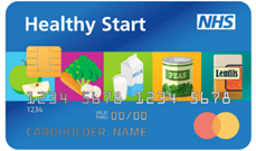
A credit card with colorful images

AI-generated content may be incorrect.

If you’re more than 10 weeks pregnant or have a child under 4, you may be entitled to get help to buy healthy food and milk.

If you’re eligible, you’ll be sent a Healthy Start card with money on it that you can use in some UK shops. We’ll add your benefit onto this card every 4 weeks.

You can use your card to buy:

  • plain liquid cow’s milk
  • fresh, frozen, and tinned fruit and vegetables
  • fresh, dried, and tinned pulses
  • infant formula milk based on cow’s milk

You can also use your card to collect:

  • Healthy Start vitamins – these support you during pregnancy and breastfeeding
  • vitamin drops for babies and young children – these are suitable from birth to 4 years old

Find out how to apply and where to use your card to buy food and milk

For more help visit Best Start in Life.

A credit card with colorful images

AI-generated content may be incorrect.

If you’re more than 10 weeks pregnant or have a child under 4, you may be entitled to get help to buy healthy food and milk.

If you’re eligible, you’ll be sent a Healthy Start card with money on it that you can use in some UK shops. We’ll add your benefit onto this card every 4 weeks.

You can use your card to buy:

  • plain liquid cow’s milk
  • fresh, frozen, and tinned fruit and vegetables
  • fresh, dried, and tinned pulses
  • infant formula milk based on cow’s milk

You can also use your card to collect:

  • Healthy Start vitamins – these support you during pregnancy and breastfeeding
  • vitamin drops for babies and young children – these are suitable from birth to 4 years old

Find out how to apply and where to use your card to buy food and milk

For more help visit Best Start in Life.

What is contraception?

Contraceptive methods protect against pregnancy. If you use contraception correctly, you can have sex without worrying about getting pregnant or getting someone pregnant.

Most methods of contraception won’t protect you against catching or passing on a sexually transmitted infection (STI). Condoms are the only method that protects against both STIs and pregnancy. Protect your own and your partner’s health by using condoms as well as your chosen method of contraception.

Will they tell my parents?

Contraception services are free and confidential, including for people under 16 years old. This means the doctor or nurse won’t tell your parents or anyone else, as long as they believe you’re mature enough to understand the information and decisions involved.

There are strict guidelines for medical professionals who work with people under 16. If they believe there’s a risk to your safety and welfare, they may decide to tell your parents.

Where to get free contraception

You can get free contraception and condoms from:

  • some GP surgeries - talk to your GP or practice nurse
  • community contraceptive clinics
  • some genitourinary medicine (GUM) clinics
  • sexual health clinics – these offer contraceptive and STI testing services
  • some young people's services

Find your nearest sexual health service, including contraceptive clinics.

Find out more about visiting an STI clinic 

What is contraception?

Contraceptive methods protect against pregnancy. If you use contraception correctly, you can have sex without worrying about getting pregnant or getting someone pregnant.

Most methods of contraception won’t protect you against catching or passing on a sexually transmitted infection (STI). Condoms are the only method that protects against both STIs and pregnancy. Protect your own and your partner’s health by using condoms as well as your chosen method of contraception.

Will they tell my parents?

Contraception services are free and confidential, including for people under 16 years old. This means the doctor or nurse won’t tell your parents or anyone else, as long as they believe you’re mature enough to understand the information and decisions involved.

There are strict guidelines for medical professionals who work with people under 16. If they believe there’s a risk to your safety and welfare, they may decide to tell your parents.

Where to get free contraception

You can get free contraception and condoms from:

  • some GP surgeries - talk to your GP or practice nurse
  • community contraceptive clinics
  • some genitourinary medicine (GUM) clinics
  • sexual health clinics – these offer contraceptive and STI testing services
  • some young people's services

Find your nearest sexual health service, including contraceptive clinics.

Find out more about visiting an STI clinic 

The best way to protect yourself from getting or passing on an infection is to use a condom every time you have sex. The clinic can give you some condoms so you can practice safer sex.

Always buy condoms that have the CE mark or BSI kite mark on the packet. This means they've been tested to high safety standards.

Condoms that don't have the CE mark or BSI kite mark won't meet these standards, so don't use them. 

Bear in mind that having had an STI once doesn't make you immune to it - you can get the same infection again. 

The best way to protect yourself from getting or passing on an infection is to use a condom every time you have sex. The clinic can give you some condoms so you can practice safer sex.

Always buy condoms that have the CE mark or BSI kite mark on the packet. This means they've been tested to high safety standards.

Condoms that don't have the CE mark or BSI kite mark won't meet these standards, so don't use them. 

Bear in mind that having had an STI once doesn't make you immune to it - you can get the same infection again. 

If you’ve had sex and you’re worried you might have an STI, it’s okay to get it checked. Lots of infections are common, and most can be treated easily if you get help.

Some people with an STI don’t notice any signs at all, so the only way to be sure is to have a test. But you might notice things like:

  • Pain or burning when you pee
  • Unusual discharge (liquid) from your vagina or penis
  • Itching, soreness or irritation around your genitals
  • Pain during sex
  • Bleeding between periods or after sex
  • Lumps, sores or blisters in your genital area

If you have any of these symptoms, or you’re unsure, it’s important to get checked.

The good news is that sexual health clinics are used to helping young people with these concerns. You won’t be judged, and they can give you the right support, advice and treatment if you need it.

Find out more information

👉 Find out where your nearest clinic is and how to book an appointment below.

If you’ve had sex and you’re worried you might have an STI, it’s okay to get it checked. Lots of infections are common, and most can be treated easily if you get help.

Some people with an STI don’t notice any signs at all, so the only way to be sure is to have a test. But you might notice things like:

  • Pain or burning when you pee
  • Unusual discharge (liquid) from your vagina or penis
  • Itching, soreness or irritation around your genitals
  • Pain during sex
  • Bleeding between periods or after sex
  • Lumps, sores or blisters in your genital area

If you have any of these symptoms, or you’re unsure, it’s important to get checked.

The good news is that sexual health clinics are used to helping young people with these concerns. You won’t be judged, and they can give you the right support, advice and treatment if you need it.

Find out more information

👉 Find out where your nearest clinic is and how to book an appointment below.

You can make an appointment to go to an STI clinic, or sometimes there's a drop-in clinic, which means you can just turn up without the need for an appointment.

You might feel embarrassed, but there's no need - the staff at these clinics are used to testing for all kinds of infections. It's their job and they won't judge you. They should do their best to explain everything to you and make you feel at ease.

You can go to a sexual health clinic whether you're male or female, whatever your age, regardless of whether or not you have STI symptoms. If you're under 16, the service is still confidential and the clinic won't tell your parents.

If they suspect you or another young person is at risk of harm, they might need to tell other healthcare services, but they will talk to you before they do this. 

Find sexual health services near you, including sexual health and GUM clinics.

What happens when you visit an STI clinic?

You can make an appointment to go to an STI clinic, or sometimes there's a drop-in clinic, which means you can just turn up without the need for an appointment.

You might feel embarrassed, but there's no need - the staff at these clinics are used to testing for all kinds of infections. It's their job and they won't judge you. They should do their best to explain everything to you and make you feel at ease.

You can go to a sexual health clinic whether you're male or female, whatever your age, regardless of whether or not you have STI symptoms. If you're under 16, the service is still confidential and the clinic won't tell your parents.

If they suspect you or another young person is at risk of harm, they might need to tell other healthcare services, but they will talk to you before they do this. 

Find sexual health services near you, including sexual health and GUM clinics.

What happens when you visit an STI clinic?

The doctor or nurse will tell you what tests they think you need. They should explain what is going on and why they are suggesting these tests. If you're not sure about anything, ask them to explain.

The tests might involve:

  • a urine (pee) sample
  • a blood sample
  • swabs from the urethra (the tube urine comes out of)
  • an examination of your genitals
  • if you're female, swabs from the vagina, which you can usually do yourself

Testing for chlamydia and gonorrhoea usually requires only a urine sample or a self-taken swab for a woman. Testing for HIV and syphilis needs a blood sample.

Tests for herpes aren't usually done unless you have sores on your genitals or anus. In this case, a swab will be taken from a sore. This will be uncomfortable for a moment.

The doctor or nurse will tell you what tests they think you need. They should explain what is going on and why they are suggesting these tests. If you're not sure about anything, ask them to explain.

The tests might involve:

  • a urine (pee) sample
  • a blood sample
  • swabs from the urethra (the tube urine comes out of)
  • an examination of your genitals
  • if you're female, swabs from the vagina, which you can usually do yourself

Testing for chlamydia and gonorrhoea usually requires only a urine sample or a self-taken swab for a woman. Testing for HIV and syphilis needs a blood sample.

Tests for herpes aren't usually done unless you have sores on your genitals or anus. In this case, a swab will be taken from a sore. This will be uncomfortable for a moment.

With some tests, you can get the results - and treatment, if you need it - on the same day. For others, you might have to wait for a week or two. If this is the case, the clinic will check how you would prefer to receive your results.

If you test positive for an STI, you will be asked to go back to the clinic to talk about your results and the treatment you need.

Many STIs can be cured with antibiotics. Some infections, such as HIV, have no cure, but there are treatments available. The clinic can advise you on these and put you in touch with a counsellor.

If possible, tell your sexual partner and any ex-partners so they can get tested and treated as well.

If you don't want to do this, the clinic can usually do it for you - it's called partner notification and the clinic won't reveal who you are.

With some tests, you can get the results - and treatment, if you need it - on the same day. For others, you might have to wait for a week or two. If this is the case, the clinic will check how you would prefer to receive your results.

If you test positive for an STI, you will be asked to go back to the clinic to talk about your results and the treatment you need.

Many STIs can be cured with antibiotics. Some infections, such as HIV, have no cure, but there are treatments available. The clinic can advise you on these and put you in touch with a counsellor.

If possible, tell your sexual partner and any ex-partners so they can get tested and treated as well.

If you don't want to do this, the clinic can usually do it for you - it's called partner notification and the clinic won't reveal who you are.