Skip to content

Looking after your health is important, and you don't have to do it on your own.

As you become more independent, you'll start making more decisions about your physical, emotional and sexual health. This can include registering with a GP or dentist, understanding healthy relationships, looking after your mental wellbeing and making informed choices about your lifestyle.

In this section, you'll find information about:

  • Registering with a GP and dentist
  • Looking after your sexual health
  • Understanding healthy relationships
  • Looking after your mental health and wellbeing
  • Making safe choices around smoking, alcohol, drugs and gambling
  • Accessing health services and support

We want to help you stay safe, healthy and informed, so you can make decisions that are right for you and your future.

Talk to Your Personal Adviser

You do not have to do this on your own.

Share this information with your Personal Adviser (PA). They can help you understand your options, access support, complete applications, contact services and make sure you receive the help you are entitled to.

How do I get a doctor?

Many young people can register with a GP themselves. If you are under 16, the GP surgery may ask some questions to make sure you understand what registering means and that it is in your best interests. You can find a list of local GP’s in your area on the NHS website. Some GP’s also ask to see a proof of identity like a passport or proof of address.

How do I make an appointment?

You can make an appointment by calling your GP surgery and speaking to the receptionist or going there in person. The receptionist will ask you who the appointment is for and why. This is to make sure that you see the right person at the right time.

If it’s something personal then you don’t have to tell them why - just say it’s for something personal. You can also ask to see a male or female medical professional if this would make you feel more comfortable.

Before your appointment, try to write down what you what to tell the doctor. Typically an appointment with a GP is only 10 minutes and especially if you feel a bit anxious at the appointment, it can be easy to struggle to put into to words what is wrong and what help you need. 

How do I get a doctor?

Many young people can register with a GP themselves. If you are under 16, the GP surgery may ask some questions to make sure you understand what registering means and that it is in your best interests. You can find a list of local GP’s in your area on the NHS website. Some GP’s also ask to see a proof of identity like a passport or proof of address.

How do I make an appointment?

You can make an appointment by calling your GP surgery and speaking to the receptionist or going there in person. The receptionist will ask you who the appointment is for and why. This is to make sure that you see the right person at the right time.

If it’s something personal then you don’t have to tell them why - just say it’s for something personal. You can also ask to see a male or female medical professional if this would make you feel more comfortable.

Before your appointment, try to write down what you what to tell the doctor. Typically an appointment with a GP is only 10 minutes and especially if you feel a bit anxious at the appointment, it can be easy to struggle to put into to words what is wrong and what help you need. 

If you are a care leaver, you may be entitled to free NHS prescriptions, dental care and help with eye care costs up to your 25th birthday.

The Government announced that care leavers will receive:

  • Free NHS prescriptions
  • Free NHS dental care
  • Support with eye care costs, including sight tests and glasses

Further information about when and how to access this support will be published nationally.

In the meantime, you may already be entitled to help with healthcare costs through existing NHS schemes. Speak to your Personal Adviser, social worker or healthcare professional if you need help understanding what support is available.

If you are a care leaver, you may be entitled to free NHS prescriptions, dental care and help with eye care costs up to your 25th birthday.

The Government announced that care leavers will receive:

  • Free NHS prescriptions
  • Free NHS dental care
  • Support with eye care costs, including sight tests and glasses

Further information about when and how to access this support will be published nationally.

In the meantime, you may already be entitled to help with healthcare costs through existing NHS schemes. Speak to your Personal Adviser, social worker or healthcare professional if you need help understanding what support is available.

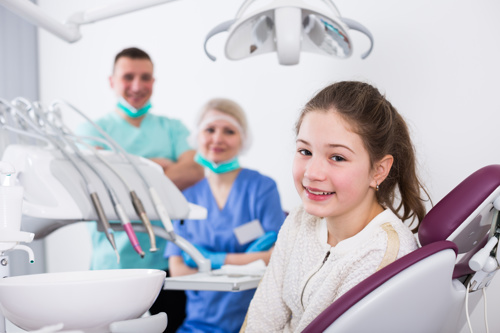
Your teeth, mouth, gums and tongue are all really important parts of your body and keeping them healthy should be part of your daily routine. 

Brushing your teeth twice a day (last thing at night before you go to bed and on one other occasion) with fluoride toothpaste and having regular check-ups with a dentist can help to keep your teeth healthy. Diet, smoking and drinking alcohol also have an effect on dental health.

Find an easy read guide to looking after your teeth and gums. There are also some brilliant videos and guides on oral health at NHS Team Smile.

Dentaid is a dental health charity that provides information and advice about looking after your teeth and gums. They offer oral health education and resources and support people who may find it difficult to access dental care. If you need help to access dental care, let your PA know.

Visit Dentaid 

You should only need to see a Dentist once a year, but if your worried about your teeth, don't delay in making an appointment.

If you don't have a dentist, you can find a dentist near to where you live. 

Find out how much NHS dental treatment costs.

Your teeth, mouth, gums and tongue are all really important parts of your body and keeping them healthy should be part of your daily routine. 

Brushing your teeth twice a day (last thing at night before you go to bed and on one other occasion) with fluoride toothpaste and having regular check-ups with a dentist can help to keep your teeth healthy. Diet, smoking and drinking alcohol also have an effect on dental health.

Find an easy read guide to looking after your teeth and gums. There are also some brilliant videos and guides on oral health at NHS Team Smile.

Dentaid is a dental health charity that provides information and advice about looking after your teeth and gums. They offer oral health education and resources and support people who may find it difficult to access dental care. If you need help to access dental care, let your PA know.

Visit Dentaid 

You should only need to see a Dentist once a year, but if your worried about your teeth, don't delay in making an appointment.

If you don't have a dentist, you can find a dentist near to where you live. 

Find out how much NHS dental treatment costs.

What you need to know

Whilst you're young your body is going through a number of changes and your brain is still developing, it's best if these changes are made whilst your body is being supported by a healthy diet.

Eating healthily doesn't mean cutting out all the stereotypically yummy foods, but it does mean eating them less often and in smaller amounts. It's important during teenage years, when eating healthily, to actually eat, not to skip meals, substitute food for drinks or start unreasonable diets. There are a number of nutrients that are super important whilst you're still growing and developing, so a balanced diet is essential.

Having a balanced diet:

Having a balanced diet is really important, you need to eat a mixture of all the foods in the Eatwell guide to make sure you are getting all the right nutrients. Avoiding too much fat, sugar and salt as well will make sure that you getting a really balanced diet.

Try to choose a variety of foods from the four main food groups: 

  1. bread, rice, pasta, potatoes and other starchy foods - these are carbohydrates 
  2. fruit and vegetables - aim to eat at least 5 of these a day
  3. milk and diary foods 
  4. meat, fish, eggs, beans and other non-diary sources of protein

Stay hydrated by drinking mainly water, as well as milk and occasionally juice.

Top tips for healthy eating:

What else can help me adopt healthier habits?

Changing your habits can be challenging. And developing new habits takes time. Use the tips below to stay motivated and meet your goals. You can do it!

Make changes slowly

Don’t expect to change your eating, drinking, physical activity, or sleeping habits overnight. Changing too much too fast may limit your chances of success.

Figure out what’s holding you back

For example:

  • Are unhealthy snack foods at home tempting you?
  • Are the foods and beverages you’re choosing at your school cafeteria or job too high in sodium, saturated fats, and added sugars?
  • Do you overeat to help manage stress related to your family or your future?

Have a think and come up with a plan to change these habits.

Set a few realistic goals

If you drink sugar-sweetened beverages every day, try replacing some of them with water. Once you are drinking fewer of these beverages for a while, try cutting out all of them. Then set another goal, like getting more physical activity each day. Once you have reached one goal, add another.

Get help from friends and family

Get a friend at school, someone at home, or a co-worker at your job to support your new habits. Ask a friend, brother or sister, parent, guardian, or co-worker to help you make changes and stick with your new habits.

Get the facts - British Nutrition's YouTube Channel

What if I don't like eating something?

We all vary in the foods we like, it is not unusual to experiment with different eating habits - you may have decided to become vegetarian or tried changing your diet to improve your health. Keep trying new foods to find the ones that you do like.

Don't worry, all foods fit! None are off limits. 

What if I'm concerned about my diet?

Some eating patterns can be damaging. Problems with food can begin when we use food to cope with those times when you are bored, anxious, angry, lonely or sad. 

Having a poor diet you may notice that your skin may become more spotty or your hair may become more greasy, so in order to keep yourself looking well you need to eat well.

Where can I get help?

Beat

Advice for anyone worried they might have an eating disorder. Support on the Helpline is available by phone, email, webchat through our social media accounts and by letter. Calls to the helpline are free from landlines and mobile phones within the UK and do not appear on itemised bills.

Hampshire Public Health Nursing Service – Chat health

Chat Health 11-19 years

07507 332160 - The Chat Health text service is an easy way for young people in Hampshire aged 11-19 to confidentially ask for help with a range of issues. The service is manned by qualified school nurses who have a wealth of experience of working with young people and provide support with a range of health and wellbeing issues, including nutrition advice and with eating disorders. As well as giving advice, the team can signpost to appropriate services and other support. 

What you need to know

Whilst you're young your body is going through a number of changes and your brain is still developing, it's best if these changes are made whilst your body is being supported by a healthy diet.

Eating healthily doesn't mean cutting out all the stereotypically yummy foods, but it does mean eating them less often and in smaller amounts. It's important during teenage years, when eating healthily, to actually eat, not to skip meals, substitute food for drinks or start unreasonable diets. There are a number of nutrients that are super important whilst you're still growing and developing, so a balanced diet is essential.

Having a balanced diet:

Having a balanced diet is really important, you need to eat a mixture of all the foods in the Eatwell guide to make sure you are getting all the right nutrients. Avoiding too much fat, sugar and salt as well will make sure that you getting a really balanced diet.

Try to choose a variety of foods from the four main food groups: 

  1. bread, rice, pasta, potatoes and other starchy foods - these are carbohydrates 
  2. fruit and vegetables - aim to eat at least 5 of these a day
  3. milk and diary foods 
  4. meat, fish, eggs, beans and other non-diary sources of protein

Stay hydrated by drinking mainly water, as well as milk and occasionally juice.

Top tips for healthy eating:

What else can help me adopt healthier habits?

Changing your habits can be challenging. And developing new habits takes time. Use the tips below to stay motivated and meet your goals. You can do it!

Make changes slowly

Don’t expect to change your eating, drinking, physical activity, or sleeping habits overnight. Changing too much too fast may limit your chances of success.

Figure out what’s holding you back

For example:

  • Are unhealthy snack foods at home tempting you?
  • Are the foods and beverages you’re choosing at your school cafeteria or job too high in sodium, saturated fats, and added sugars?
  • Do you overeat to help manage stress related to your family or your future?

Have a think and come up with a plan to change these habits.

Set a few realistic goals

If you drink sugar-sweetened beverages every day, try replacing some of them with water. Once you are drinking fewer of these beverages for a while, try cutting out all of them. Then set another goal, like getting more physical activity each day. Once you have reached one goal, add another.

Get help from friends and family

Get a friend at school, someone at home, or a co-worker at your job to support your new habits. Ask a friend, brother or sister, parent, guardian, or co-worker to help you make changes and stick with your new habits.

Get the facts - British Nutrition's YouTube Channel

What if I don't like eating something?

We all vary in the foods we like, it is not unusual to experiment with different eating habits - you may have decided to become vegetarian or tried changing your diet to improve your health. Keep trying new foods to find the ones that you do like.

Don't worry, all foods fit! None are off limits. 

What if I'm concerned about my diet?

Some eating patterns can be damaging. Problems with food can begin when we use food to cope with those times when you are bored, anxious, angry, lonely or sad. 

Having a poor diet you may notice that your skin may become more spotty or your hair may become more greasy, so in order to keep yourself looking well you need to eat well.

Where can I get help?

Beat

Advice for anyone worried they might have an eating disorder. Support on the Helpline is available by phone, email, webchat through our social media accounts and by letter. Calls to the helpline are free from landlines and mobile phones within the UK and do not appear on itemised bills.

Hampshire Public Health Nursing Service – Chat health

Chat Health 11-19 years

07507 332160 - The Chat Health text service is an easy way for young people in Hampshire aged 11-19 to confidentially ask for help with a range of issues. The service is manned by qualified school nurses who have a wealth of experience of working with young people and provide support with a range of health and wellbeing issues, including nutrition advice and with eating disorders. As well as giving advice, the team can signpost to appropriate services and other support. 
Keeping fit, is an important part of being healthy. It is suggested that you do an hour of exercise a day and this can range from moderate activity like walking to school or college or scooting to school, to vigorous activity such as running or tennis. This might sound like a lot but you are probably already doing it.

Why is being active important?

Physical activity and sport is good for your health and fitness.

It is good for you because:

  • Being active can help you to keep a healthy weight.
  • It lowers the chance of you getting health problems like diabetes and heart disease and helps you live longer.
  • It can improve your confidence and help you make new friends.
  • You can learn new skills
  • It can help you improve your sleep and memory
  • It can make you healthier and feel good

Playing sport does not mean you have to take part in competitions against other people. You can play a sport for fun at your local sports club or community centre. A community centre is a place where people get together and take part in activities.

Physical activity and sport is for everyone and anyone can take part.

What types of moderate activity can I do?

  • walking to school/college/uni
  • playing in the playground/park
  • riding a scooter
  • skateboarding
  • rollerblading
  • walking the dogs
  • cycling on flat ground, or on ground that's a little bit hilly
  • plus loads more ...

What types of vigorous activity can I do?

  • energetic dancing 
  • swimming 
  • running 
  • gymnastics
  • football
  • rugby 
  • martial arts 
  • cycling fast, or on ground that is really hilly 
  • plus loads more ...

A good first step to get more active is to visit your local Leisure Centre website and see what activities they offer:

What kind of sports can I do?

Sports are really easy to pick up and many of them you can do with friends down at the park, many of them don't require a lot of equipment and can be really easy to set up, such as football, skateboarding, extreme Frisbee for example. Other sports may require a specialist pitches, equipment and clothing.

How do I decided what sport to do?

The best way to decide which sport to do is to think about your strengths and skills, and ultimately which sport(s) you prefer, its no good starting football when you love tennis.

Think about whether or not you like being part of a team, as a team sport like; football, rugby or basketball might be better otherwise choosing a sport where you are the only player like; tennis, swimming or running.

Joining a club:

Joining a club is a great way to meet new people along with meeting people that enjoy the same sport(s) as you. 

You might already be part of a school or college team but progressing onto a club is a good way of developing your skills further, accessing more competitions or finding like minded people.

Find Activities in Hampshire

Keeping fit, is an important part of being healthy. It is suggested that you do an hour of exercise a day and this can range from moderate activity like walking to school or college or scooting to school, to vigorous activity such as running or tennis. This might sound like a lot but you are probably already doing it.

Why is being active important?

Physical activity and sport is good for your health and fitness.

It is good for you because:

  • Being active can help you to keep a healthy weight.
  • It lowers the chance of you getting health problems like diabetes and heart disease and helps you live longer.
  • It can improve your confidence and help you make new friends.
  • You can learn new skills
  • It can help you improve your sleep and memory
  • It can make you healthier and feel good

Playing sport does not mean you have to take part in competitions against other people. You can play a sport for fun at your local sports club or community centre. A community centre is a place where people get together and take part in activities.

Physical activity and sport is for everyone and anyone can take part.

What types of moderate activity can I do?

  • walking to school/college/uni
  • playing in the playground/park
  • riding a scooter
  • skateboarding
  • rollerblading
  • walking the dogs
  • cycling on flat ground, or on ground that's a little bit hilly
  • plus loads more ...

What types of vigorous activity can I do?

  • energetic dancing 
  • swimming 
  • running 
  • gymnastics
  • football
  • rugby 
  • martial arts 
  • cycling fast, or on ground that is really hilly 
  • plus loads more ...

A good first step to get more active is to visit your local Leisure Centre website and see what activities they offer:

What kind of sports can I do?

Sports are really easy to pick up and many of them you can do with friends down at the park, many of them don't require a lot of equipment and can be really easy to set up, such as football, skateboarding, extreme Frisbee for example. Other sports may require a specialist pitches, equipment and clothing.

How do I decided what sport to do?

The best way to decide which sport to do is to think about your strengths and skills, and ultimately which sport(s) you prefer, its no good starting football when you love tennis.

Think about whether or not you like being part of a team, as a team sport like; football, rugby or basketball might be better otherwise choosing a sport where you are the only player like; tennis, swimming or running.

Joining a club:

Joining a club is a great way to meet new people along with meeting people that enjoy the same sport(s) as you. 

You might already be part of a school or college team but progressing onto a club is a good way of developing your skills further, accessing more competitions or finding like minded people.

Find Activities in Hampshire

What is contraception?

Contraceptive methods protect against pregnancy. If you use contraception correctly, you can have sex without worrying about getting pregnant or getting someone pregnant.

Most methods of contraception won’t protect you against catching or passing on a sexually transmitted infection (STI). Condoms are the only method that protects against both STIs and pregnancy. Protect your own and your partner’s health by using condoms as well as your chosen method of contraception.

Contraception services are free and confidential. This means the doctor or nurse won’t tell anyone, as long as they believe you’re mature enough to understand the information and decisions involved.

Where to get free contraception

You can get free contraception and condoms from:

  • some GP surgeries - talk to your GP or practice nurse
  • community contraceptive clinics
  • some genitourinary medicine (GUM) clinics
  • sexual health clinics – these offer contraceptive and STI testing services
  • some young people's services

Find your nearest sexual health service, including contraceptive clinics.

Find out more about visiting an STI clinic 

What is contraception?

Contraceptive methods protect against pregnancy. If you use contraception correctly, you can have sex without worrying about getting pregnant or getting someone pregnant.

Most methods of contraception won’t protect you against catching or passing on a sexually transmitted infection (STI). Condoms are the only method that protects against both STIs and pregnancy. Protect your own and your partner’s health by using condoms as well as your chosen method of contraception.

Contraception services are free and confidential. This means the doctor or nurse won’t tell anyone, as long as they believe you’re mature enough to understand the information and decisions involved.

Where to get free contraception

You can get free contraception and condoms from:

  • some GP surgeries - talk to your GP or practice nurse
  • community contraceptive clinics
  • some genitourinary medicine (GUM) clinics
  • sexual health clinics – these offer contraceptive and STI testing services
  • some young people's services

Find your nearest sexual health service, including contraceptive clinics.

Find out more about visiting an STI clinic 

Discovering you might be pregnant can feel overwhelming — but you are not alone. There is help, support, and confidential advice available to guide you through your options and next steps. This page brings together key information inspired by trusted organisations.

I might be pregnant; what should I do first?

If you think you might be pregnant, the first step is to take a pregnancy test.

Pregnancy tests

It is often a good idea to access a pregnancy test through the sexual health service or with a youth worker as they can give you immediate support, advice and guidance to help you.

Talking to someone you trust

If the test is positive, it’s helpful to speak to a health professional or another trusted adult who can explain your options without judgment.

Talking things through can help you feel less alone and more in control.

If you don't what to speak to someone face to face, you can text a nurse.

Understanding Your Options

Contact the Pregnancy Options Centre for unbiased help and support for unplanned pregnancy. They can help you talk your options through.

If you are pregnant you usually have three main options:

Continuing the pregnancy and becoming a parent

Support is available for:

Adoption

If you feel unable to parent but want to continue the pregnancy, adoption is an option. There are many people who are waiting for the gift of a child to love and you may still be able to find out how your child is doing through letters from their adoptive parents. Specialist services can guide you through the process with compassion.

More information on adoption

Ending the pregnancy

Up to 24 weeks of pregnancy, you are able to get an abortion. After 24 weeks, a doctor will only agree to end a pregnancy under certain conditions. If you chose to end your pregnancy your health professional can explain:

  • Available procedures
  • What to expect
  • Aftercare and emotional support

If you are unsure if you want to continue with the pregnancy, you can discuss all your options with the British Pregnancy Advice Service.

You do not need a referral to get an abortion. Call BPAS on 0300 333 68 28 to discuss your options or book an appointment through them directly.

All options are your choice, and professionals must respect your decision. 

More about abortions

Listen to Olga talk about finding out how she was pregnant as a teenager and how she navigated the situation.


Support for Young Parents

Becoming a young parent can come with challenges, but many services exist to help you thrive. If you decide to become a parent and raise the baby, your GP will refer you to a named midwife who can arrange antenatal care. 

The Family Nurse Partnership (FNP) is a voluntary programme offered to first time mums and dads aged under 19. If you are looking for support, and would like to find out more information as to whether you would be able to join the programme, you can email: hiowh.fnphampshire@nhs.net or call on 0300 003 0338. View the FNP Facebook Page.

What does the Family Nurse Partnership offer? Watch the video below.


Education & employment

If you are under 16, you will continue to be entitled to an education and we will work with you to ensure you can still access this. There are also schemes and support to help you continue in your education all the way to university if that is what you want.

Parenting skills & practical help

You can access:

Bright Beginnings

The Bright Beginnings service gives one-to-one support to young parents aged 17-25 and their babies, through pregnancy up until the baby’s second birthday.

Support is given by trained volunteer Bright Beginnings Befrienders. They are matched with the young parents and will be there as a trusted, reliable and knowledgeable adult for the parents to get support from.

Befrienders will meet with parents regularly and are there to offer support with anything they may be struggling with, in particular the health of the parents and their baby and all aspects of parenting.

Discovering you might be pregnant can feel overwhelming — but you are not alone. There is help, support, and confidential advice available to guide you through your options and next steps. This page brings together key information inspired by trusted organisations.

I might be pregnant; what should I do first?

If you think you might be pregnant, the first step is to take a pregnancy test.

Pregnancy tests

It is often a good idea to access a pregnancy test through the sexual health service or with a youth worker as they can give you immediate support, advice and guidance to help you.

Talking to someone you trust

If the test is positive, it’s helpful to speak to a health professional or another trusted adult who can explain your options without judgment.

Talking things through can help you feel less alone and more in control.

If you don't what to speak to someone face to face, you can text a nurse.

Understanding Your Options

Contact the Pregnancy Options Centre for unbiased help and support for unplanned pregnancy. They can help you talk your options through.

If you are pregnant you usually have three main options:

Continuing the pregnancy and becoming a parent

Support is available for:

Adoption

If you feel unable to parent but want to continue the pregnancy, adoption is an option. There are many people who are waiting for the gift of a child to love and you may still be able to find out how your child is doing through letters from their adoptive parents. Specialist services can guide you through the process with compassion.

More information on adoption

Ending the pregnancy

Up to 24 weeks of pregnancy, you are able to get an abortion. After 24 weeks, a doctor will only agree to end a pregnancy under certain conditions. If you chose to end your pregnancy your health professional can explain:

  • Available procedures
  • What to expect
  • Aftercare and emotional support

If you are unsure if you want to continue with the pregnancy, you can discuss all your options with the British Pregnancy Advice Service.

You do not need a referral to get an abortion. Call BPAS on 0300 333 68 28 to discuss your options or book an appointment through them directly.

All options are your choice, and professionals must respect your decision. 

More about abortions

Listen to Olga talk about finding out how she was pregnant as a teenager and how she navigated the situation.


Support for Young Parents

Becoming a young parent can come with challenges, but many services exist to help you thrive. If you decide to become a parent and raise the baby, your GP will refer you to a named midwife who can arrange antenatal care. 

The Family Nurse Partnership (FNP) is a voluntary programme offered to first time mums and dads aged under 19. If you are looking for support, and would like to find out more information as to whether you would be able to join the programme, you can email: hiowh.fnphampshire@nhs.net or call on 0300 003 0338. View the FNP Facebook Page.

What does the Family Nurse Partnership offer? Watch the video below.


Education & employment

If you are under 16, you will continue to be entitled to an education and we will work with you to ensure you can still access this. There are also schemes and support to help you continue in your education all the way to university if that is what you want.

Parenting skills & practical help

You can access:

Bright Beginnings

The Bright Beginnings service gives one-to-one support to young parents aged 17-25 and their babies, through pregnancy up until the baby’s second birthday.

Support is given by trained volunteer Bright Beginnings Befrienders. They are matched with the young parents and will be there as a trusted, reliable and knowledgeable adult for the parents to get support from.

Befrienders will meet with parents regularly and are there to offer support with anything they may be struggling with, in particular the health of the parents and their baby and all aspects of parenting.

Here are the facts they want you to know:

Cigarettes can hook you fast

Nicotine is super addictive, especially when you’re young — it can even affect your brain while it’s still developing. Even trying “just one cigarette” can start cravings.

Smoking doesn’t actually help stress

It might feel calming for a moment, but it quickly makes anxiety and low mood worse because of nicotine withdrawal.

Every cigarette harms your body

There are over 7,000 toxic chemicals in cigarette smoke. Smoking damages your lungs, heart, teeth, and can make conditions like asthma much worse. There’s no safe amount.

Smoking is expensive

Buying cigarettes can drain money you could spend on things you actually enjoy — nights out, clothes, hobbies, whatever matters to you.

It’s illegal under 18

No one is allowed to sell or buy cigarettes for anyone under 18, and you can report shops that break the rules.

Need Help Quitting? You’re Not Alone.

If you're 12 or older and live or go to school in Hampshire, you can get completely free, friendly help from Smokefree Hampshire.

They offer:

  • One‑to‑one support tailored to you
  • Help to quit smoking or vaping
  • Sessions online, in person, or by phone
  • Free quit aids and practical advice
  • Support that makes you 3× more likely to quit successfully compared to doing it alone

How to get started:

Here are the facts they want you to know:

Cigarettes can hook you fast

Nicotine is super addictive, especially when you’re young — it can even affect your brain while it’s still developing. Even trying “just one cigarette” can start cravings.

Smoking doesn’t actually help stress

It might feel calming for a moment, but it quickly makes anxiety and low mood worse because of nicotine withdrawal.

Every cigarette harms your body

There are over 7,000 toxic chemicals in cigarette smoke. Smoking damages your lungs, heart, teeth, and can make conditions like asthma much worse. There’s no safe amount.

Smoking is expensive

Buying cigarettes can drain money you could spend on things you actually enjoy — nights out, clothes, hobbies, whatever matters to you.

It’s illegal under 18

No one is allowed to sell or buy cigarettes for anyone under 18, and you can report shops that break the rules.

Need Help Quitting? You’re Not Alone.

If you're 12 or older and live or go to school in Hampshire, you can get completely free, friendly help from Smokefree Hampshire.

They offer:

  • One‑to‑one support tailored to you
  • Help to quit smoking or vaping
  • Sessions online, in person, or by phone
  • Free quit aids and practical advice
  • Support that makes you 3× more likely to quit successfully compared to doing it alone

How to get started:

Although it may seem that all your friends are vaping, about 80% of UK teens don’t vape so it’s not as popular as it might seem.

Vaping if often used as a way to stop smoking and it can be helpful as a transition to being smoke free, however if you don’t smoke, don’t start vaping. You're saving money, protecting your health, and helping the planet by not vaping.

What Are Vapes? 

  • Vapes (also called e-cigarettes, puff bars, vape pens, pods, etc.) are battery-powered devices that heat a liquid to create a vapor or aerosol for inhaling.
  • The liquid usually contains nicotine, which is highly addictive, flavourings, and other chemicals.

Why Nicotine Is a Risk

  • Teen brains are still developing, and nicotine can seriously affect that, making it easier to get addicted.
  • It can also worsen mood issues and anxiety—any relief you feel when you vape is likely just part of the withdrawal cycle.
  • Many teens think they’ll just “try it once,” but quitting is often harder than expected.

Common Side Effects

Vaping isn't harmless. Even short-term effects include:

  • Headaches, dizziness, insomnia
  • Increased heart rate and blood pressure
  • Worse asthma symptoms
  • Unknown long-term effects

Chemicals Hidden in Vapes

  • Even vapes marketed as nicotine-free can contain:
    • Toxic metals (like lead or nickel)
    • Harmful flavourings
    • Substances like benzene

Legal and Environmental Issues

  • Selling or buying vapes for anyone under 18 is illegal.
  • If someone is illegally selling to teens, you can report it anonymously to Trading Standards.
  • Vapes—and their single-use cartridges—are also bad for the environment.

Need Support? You’re Not Alone

Vaping is often tied to stress or anxiety—but healthier options exist!

  • Talk to someone you trust: a parent, teacher, or friend
  • Reach out to services like ChatHealth or YoungMinds if you need someone to listen
  • If you've started vaping and want to stop, services like Smokefree Hampshire (available from age 12) can help. They offer free, tailored support—including advice, nicotine replacement therapy, and online help.

Although it may seem that all your friends are vaping, about 80% of UK teens don’t vape so it’s not as popular as it might seem.

Vaping if often used as a way to stop smoking and it can be helpful as a transition to being smoke free, however if you don’t smoke, don’t start vaping. You're saving money, protecting your health, and helping the planet by not vaping.

What Are Vapes? 

  • Vapes (also called e-cigarettes, puff bars, vape pens, pods, etc.) are battery-powered devices that heat a liquid to create a vapor or aerosol for inhaling.
  • The liquid usually contains nicotine, which is highly addictive, flavourings, and other chemicals.

Why Nicotine Is a Risk

  • Teen brains are still developing, and nicotine can seriously affect that, making it easier to get addicted.
  • It can also worsen mood issues and anxiety—any relief you feel when you vape is likely just part of the withdrawal cycle.
  • Many teens think they’ll just “try it once,” but quitting is often harder than expected.

Common Side Effects

Vaping isn't harmless. Even short-term effects include:

  • Headaches, dizziness, insomnia
  • Increased heart rate and blood pressure
  • Worse asthma symptoms
  • Unknown long-term effects

Chemicals Hidden in Vapes

  • Even vapes marketed as nicotine-free can contain:
    • Toxic metals (like lead or nickel)
    • Harmful flavourings
    • Substances like benzene

Legal and Environmental Issues

  • Selling or buying vapes for anyone under 18 is illegal.
  • If someone is illegally selling to teens, you can report it anonymously to Trading Standards.
  • Vapes—and their single-use cartridges—are also bad for the environment.

Need Support? You’re Not Alone

Vaping is often tied to stress or anxiety—but healthier options exist!

  • Talk to someone you trust: a parent, teacher, or friend
  • Reach out to services like ChatHealth or YoungMinds if you need someone to listen
  • If you've started vaping and want to stop, services like Smokefree Hampshire (available from age 12) can help. They offer free, tailored support—including advice, nicotine replacement therapy, and online help.

Has your gambling or the gambling of someone close to you had a negative effect on your life?

Call: 0800 644 6668

Visit: www.gamcare.org.uk/SouthEast

Email: southeastreferrals@gamcare.org.uk

GamCare offers a range of options for people struggling with the impact of gambling on their lives – both those gambling themselves or those affected by someone else’s gambling. We will give you a safe, confidential space to talk about how gambling affects you. Our practitioners can help you understand your relationship with gambling. They will also help you develop strategies to deal with difficult situations in ways which don’t rely on gambling.

Has your gambling or the gambling of someone close to you had a negative effect on your life?

Call: 0800 644 6668

Visit: www.gamcare.org.uk/SouthEast

Email: southeastreferrals@gamcare.org.uk

GamCare offers a range of options for people struggling with the impact of gambling on their lives – both those gambling themselves or those affected by someone else’s gambling. We will give you a safe, confidential space to talk about how gambling affects you. Our practitioners can help you understand your relationship with gambling. They will also help you develop strategies to deal with difficult situations in ways which don’t rely on gambling.